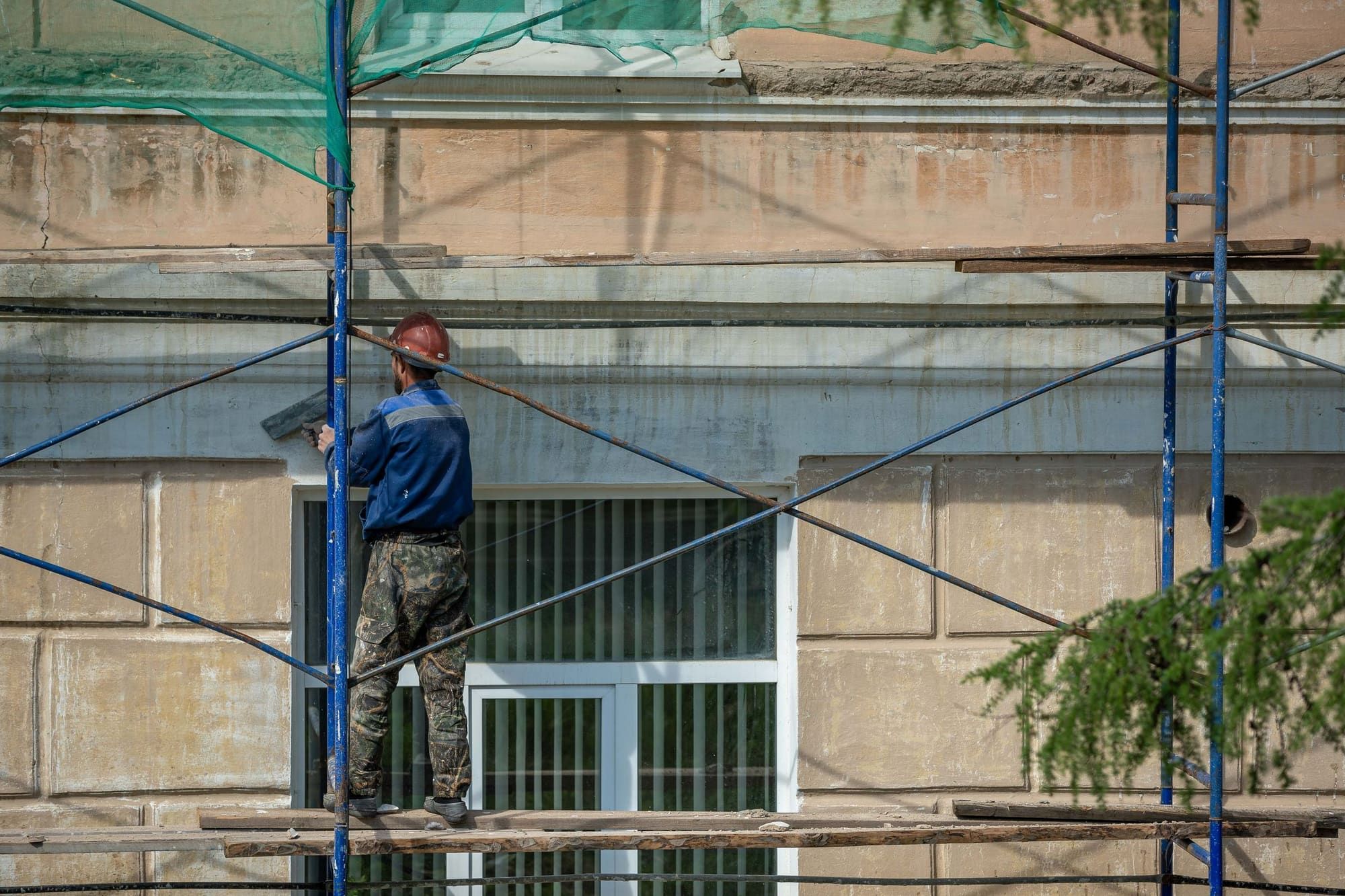
Cracks, holes, bulges and water stains
Stucco Repair in Eau Claire, WI
Failed stucco cut back to what is still sound and patched in coats that match the wall. And a straight answer when a crack is only a crack.
Serving Eau Claire, Altoona, Chippewa Falls, Lake Hallie, Menomonie, Fall Creek and the surrounding Chippewa Valley
Stucco Repair for Eau Claire Homes: Read the Wall First
Stucco is cement plaster, usually three coats built up to a little under an inch. It is hard, it sheds rain, and it is not waterproof. Every stucco repair comes down to two questions: is the stucco still attached, and is water getting behind it?
Eau Claire has more stucco than people expect. The National Register listing for the Third Ward describes its houses as large frame, brick and stucco homes, and the state's historic property inventory records a 1917 stucco bungalow on Marston Avenue and a 1928 Tudor Revival house in brick and stucco on Park Avenue. Add the chimneys, foundations and porch walls that were coated later, and the newer houses finished in stucco or its synthetic cousin, and it is not a rare material here.
This page is about cement stucco, the hard kind. If your wall gives slightly when you press it and sounds hollow everywhere, it is probably synthetic, and the repair is different: see EIFS and synthetic stucco repair.
A ten-minute check from the ground
- Knock on it. Rap the wall with your knuckles or the handle of a screwdriver, a foot at a time. Sound stucco gives a dull, solid knock. Stucco that has let go of the wall sounds hollow, like a drum.
- Look for bulges. Sight along the wall from one end. A belly in the surface is stucco that has come away and is holding on by its edges.
- Follow the stains. Dark streaks, rust lines and white crust mark where water comes out. Where it gets in is usually higher up.
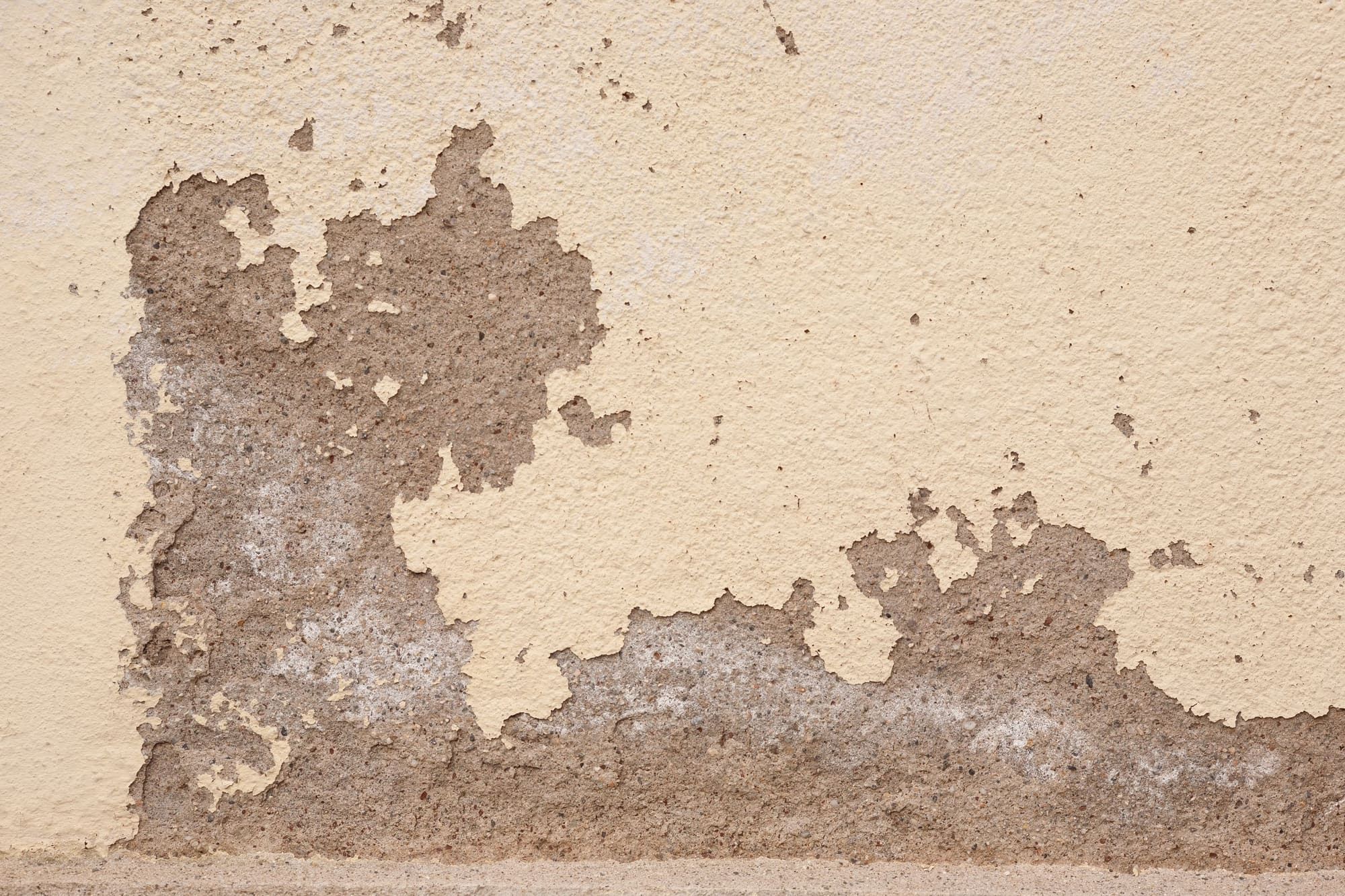
- Check the bottom edge. Crumbling, flaking stucco in the lowest foot of the wall means it is sitting in wet soil or snow.
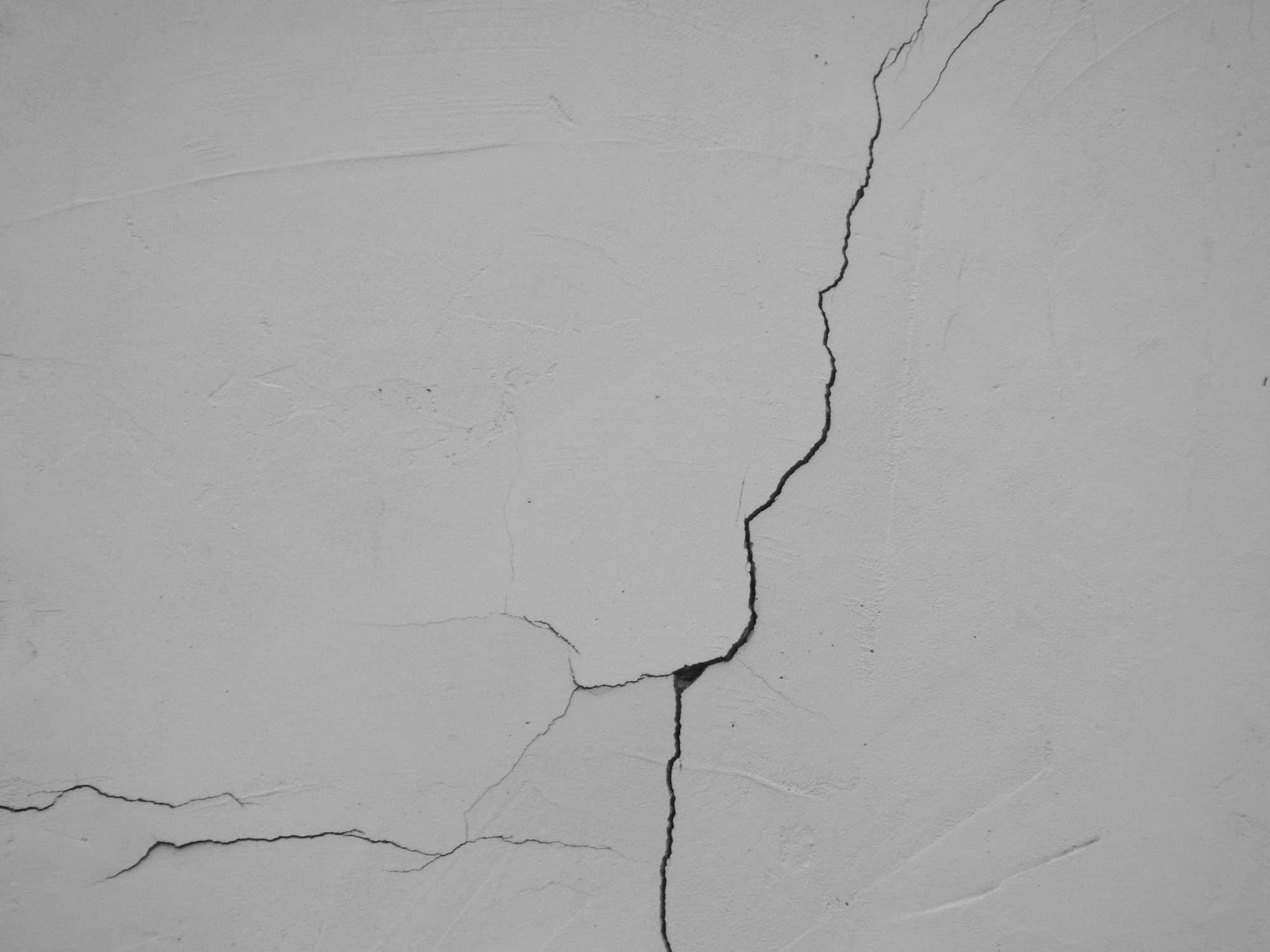
Cracked Stucco Repair: Which Cracks Matter
Stucco shrinks as it cures and sits on a house that moves a little every season, so some cracking is normal. The Stucco Manufacturers Association says as much: in most cases cracks are not a defect. The industry's working rule is to repair cracks wider than about a sixteenth of an inch, and any crack that lets water in.
| What you see | What it usually means | The repair |
|---|---|---|
| Hairline cracks, a web of them or a few short ones | Shrinkage from when the stucco cured. Too fine to take in rain | Usually nothing. If they bother you, a brushed-in finish coat and a fog coat to even the color |
| A diagonal crack off the corner of a window or door | The most common crack there is. Stress collects at the corners of every opening | Under about 1/16 inch: fill and blend. Wider: cut out and patch, and check the flashing above |
| A long straight crack, level or plumb | A seam in the sheathing or lath behind the stucco, or framing that shrank | Cut out along the line and patch. If it reopens, the wall is asking for a joint there |
| A crack with one side standing proud of the other | Something behind has moved: framing, a foundation corner, a rusted lath fastener | Find the movement first. Patching over it buys a year |
| A crack with a rust or brown stain running from it | Water has been getting in for a while and is coming back out | Open the wall at the stain. This is a leak, not a crack problem |
A guide to reading cracks, not a diagnosis. Whether the stucco beside the crack still sounds solid matters as much as the crack.
Stucco Patch and Hole Repair, Coat by Coat
A hole from a ladder, a rotted-out corner under a window, a patch of stucco that came off in a sheet: the repair is the same job at different sizes. Stucco is built up in coats, and a patch that lasts is built the same way. Filling the hole in one pass with premixed patch is quick, and it cracks around its own edge within a couple of winters.
-
Cut back to stucco that is still holding
Everything hollow comes off, to a clean square edge. Feathering new stucco over loose old stucco is how patches fall out.
-
Look at what is behind
On a framed wall that means the paper and lath. Rusted lath is cut out and new lath lapped and tied in. Torn paper is replaced and tucked shingle-fashion under the paper above. On brick or block the surface is cleaned and dampened.
-
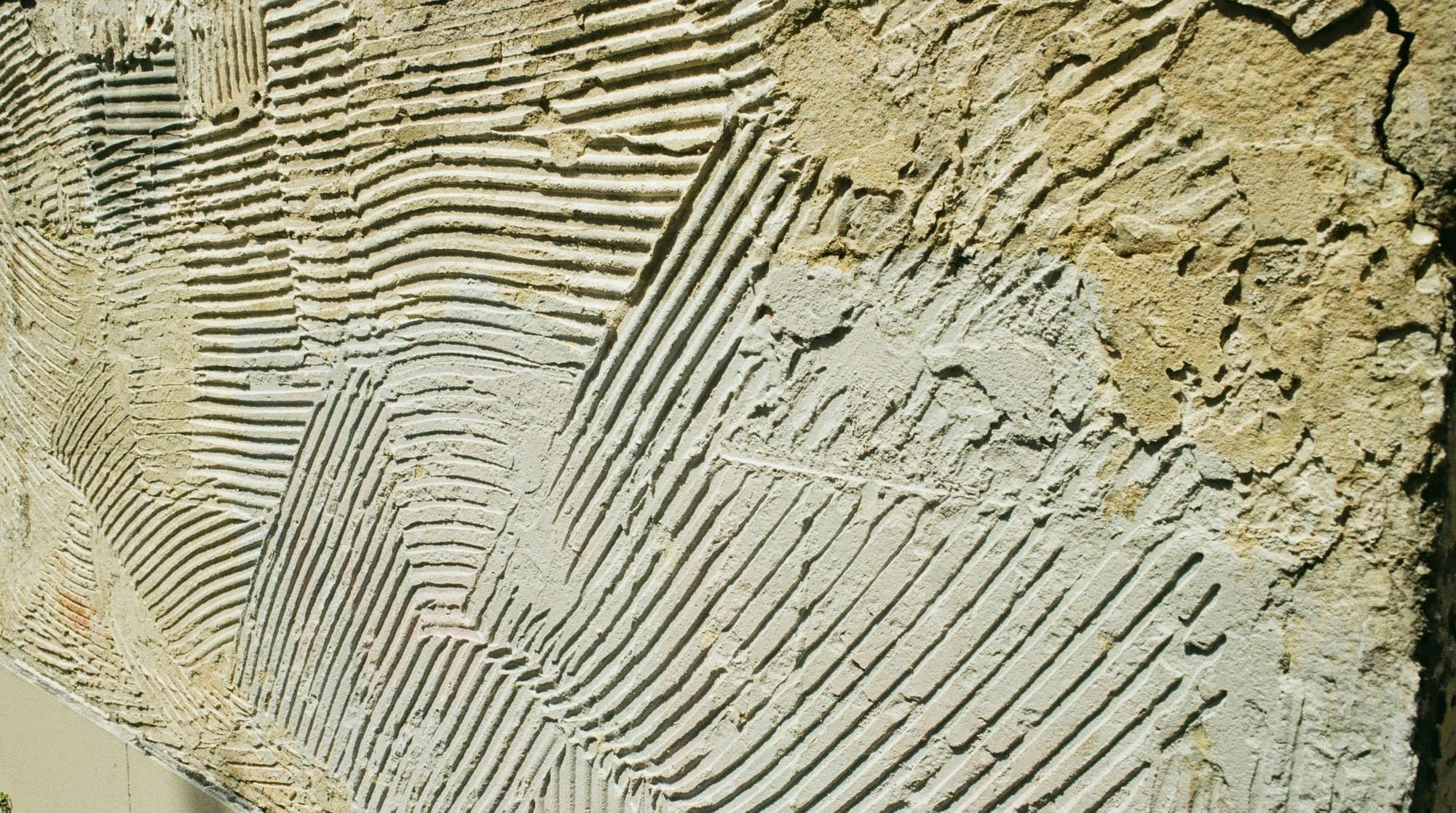
Scratch coat
Pressed hard into the lath or masonry and raked with horizontal grooves so the next coat has something to grip.
-
Brown coat
Brings the patch out nearly flush and is floated flat. Each coat needs a day to three days before the next, longer when it is cool, and is kept damp so it cures instead of drying out.
-
Finish coat
Matched to the wall: the same sand, the same trowel or float pattern, and a color mixed to the weathered stucco around it, not to what the wall looked like new.

Repairing Old Stucco on Eau Claire's Older Houses
The National Park Service's guide to historic stucco ties it to the house styles of roughly 1890 to 1940: Prairie, Tudor Revival, the bungalow and the foursquare. Its composition changed over those years. Early stucco was mostly lime. After about 1900 most of it was portland cement with some lime mixed in.
That matters for a patch. The same guide warns that a stucco made mostly of portland cement is generally not compatible with softer, lime-rich old stucco: the two expand and contract at different rates, and the joint between them cracks. So on a pre-war house we test before we mix. A drop of dilute muriatic acid dissolves lime stucco and leaves portland cement alone.
- Patch, don't strip. The Park Service prefers patching to wholesale replacement and reserves full removal for walls where roughly half the stucco has lost its hold.
- Copy the original. New stucco should match the old in strength, composition, color and texture. A smooth modern patch in a pebble-dash wall is a repair you see from the street.
- Stucco over brick and stone. On solid masonry, stucco goes straight onto the wall with no lath. If the brick behind has spalled, that is fixed first.
Randall Park and the Third Ward have been on the National Register since 1983. If your house is a local landmark or sits in a local historic district, talk to the city's Landmarks Commission before changing what the outside is finished in.
Why Stucco Fails in Eau Claire Winters: Water Behind the Wall
The Park Service puts it in one sentence: most stucco deterioration is the result of water getting into the building, through the roof, around chimneys, windows and doors, or from the ground. Here the water also freezes. Eau Claire's climate normals put the March and November highs above freezing and the lows below it. Stucco that is wet at four in the afternoon is frozen by midnight.
These are the places we look first.
- Where a roof ends against a wall. Without a kickout flashing at the bottom of that joint, every rain sends the roof's runoff down behind the stucco at one spot.
- Window and door heads. Stains that start at the top corners of an opening and run down point to flashing that is missing or sealed over.
- The bottom edge. Stucco needs a gap above soil and paving so the wall can drain. Flower beds, mulch and new concrete poured up against it close that gap.
- Chimneys and parapets. Flat tops and failed caps let water in from above, where no coat of stucco can stop it.
- Hose bibs, lights and vents. Every hole through the wall is sealed with caulk, and caulk does not last as long as stucco.
A patch made without closing off the water will fail the same way the original did. Sometimes that makes part of the job someone else's: a roofer for the kickout, a carpenter if the sheathing has rotted. We say so before we start.
Stucco Inspection: What We Check, and When You Need a Moisture Test
"Stucco inspection" means two different things, and people buying or selling a stucco house often need to know which one they are being asked for.
A contractor's look, which is what we do
- Sounding the wall for hollow areas and mapping them.
- Measuring cracks and noting which ones are stained.
- Checking flashing, the bottom edge, sealant and grade.
- Opening a small area where the wall is suspect, to see the lath, paper and sheathing.
- A written estimate for what needs repair and what does not.
A moisture inspection, which is a specialist's report
- Small holes drilled through the stucco at windows, roof lines and the base of the wall.
- A probe meter read in the sheathing at each one, then the holes sealed.
- A written report with readings and photos, the kind a buyer, lender or insurer asks for.
- Done by a home inspector with stucco and EIFS training. InterNACHI, the inspectors' association, runs a course and credential for it.
If you need the second kind for a house sale, hire the inspector first and bring us the report. If you own the house and want to know what a stain or a hollow spot means, our look is free and usually enough. Published prices for inspections vary widely: Fixr's cost guide lists $100 to $500, and other guides quote more for probe testing.
Exterior Stucco Repair in Eau Claire Runs May Through September
Cement stucco needs to stay above 40°F while it goes on and while it cures, and it must not freeze. The Park Service's guidance and the stucco manufacturers agree on that number. Eau Claire's normal overnight low clears it in five months of the year.
April and October jobs happen in a good week, and small patches can be tented and heated. If a hole opens up in November, we close it against the weather and come back for the permanent patch in spring.
Stucco Repair Cost in Eau Claire
These are national figures from two cost guides, HomeAdvisor and Fixr: typical ranges, not quotes. Stucco repair is priced by how much has to come off, and that is rarely known for certain until the hollow areas are mapped.
| Repair | Typical range | What to know |
|---|---|---|
| Small isolated patch | $200–$600 | HomeAdvisor. A fist-sized hole or one bad spot, reached from the ground. |
| Crack repair | $8–$20 per sq ft | HomeAdvisor and Fixr agree. Priced by the area cut out and re-coated, not by the length of the crack. |
| Hole repair | $250–$450 per hole | HomeAdvisor. Fixr gives the same range for woodpecker holes. |
| Water-damaged sections | $30–$50 per sq ft | Both guides. Fixr goes as high as $120 where damage behind the stucco is extensive. Carpentry is extra. |
| New finish coat over sound stucco | $4–$5 per sq ft | Both guides. The way to make several patches disappear on one wall. |
| Typical repair job | $599–$2,661 | HomeAdvisor's normal range, average $1,630. Fixr's is $900–$3,000. |
Sources: HomeAdvisor stucco repair cost guide (updated June 19, 2026) and Fixr stucco siding repair cost guide (updated March 7, 2025). National ranges, checked October 2026.
Three things move a stucco repair price here. Height, because scaffolding on a second story can cost as much as a small patch. What is behind the stucco once it is open. And how far the new finish has to run to hide the repair. A quote given over the phone without anyone knocking on the wall is a guess.
Stucco Repair Questions From Eau Claire Homeowners
Doing it yourself, ceilings, matching, paint and permits.
How much does stucco repair cost in Eau Claire?
HomeAdvisor's national cost guide puts the normal range for a stucco repair at $599 to $2,661, with an average of $1,630, and small isolated patches at $200 to $600. Crack repair runs $8 to $20 per square foot and water-damaged sections $30 to $50 per square foot. Those are national figures, not quotes. Height, how much of the wall sounds hollow and what we find behind it move the price more than anything.
How do you repair stucco cracks yourself?
A hairline crack you can reach from the ground is a fair do-it-yourself job. Brush it clean, dampen it, and work in a thin slurry of stucco finish material, then blend the color with a fog coat, which is a cement-based color wash sold for the purpose. The National Park Service advises against ordinary caulk for hairline cracks in old stucco. Leave anything wide enough to take in water, anything that sounds hollow and anything above one story to someone who will cut it out and patch it in coats.
Can you repair a stucco ceiling?
Outdoors, yes. Porch ceilings and soffits finished in cement stucco are repaired the same way a wall is, with more care because the work hangs overhead. Indoors, a textured or "stucco" ceiling is plaster or drywall texture, which is a plasterer's or drywall finisher's job and not ours. The Consumer Product Safety Commission notes that textured paint and patching compounds could contain asbestos until they were banned in 1977, so have an old textured ceiling tested before anyone scrapes or sands it.
Will a stucco patch match the rest of the wall?
Texture can be matched closely. Color is harder, because the wall has weathered for decades and new stucco has not. Stucco manufacturers say plainly in their repair instructions that a patch may stay visible. When that matters, the answer is a fog coat or a new finish coat taken across the whole wall to a corner, so there is no edge to see.
Should I paint or seal stucco to stop cracks?
Paint will bridge hairline cracks, and that is a legitimate reason to use it. Choose a paint that lets water vapor through: the Stucco Manufacturers Association recommends a perm rating of 7 or higher for stucco on framed walls. What paint will not do is fix a leak. The same association says elastomeric coatings used as a low-cost fix for water getting in at poor flashing generally perform poorly. Fix where the water gets in, then paint.
Do I need a permit to repair stucco in Eau Claire?
It depends on the size of the job. The City of Eau Claire's Inspections Division says a building permit is generally needed any time a building is altered or repaired, and its list includes siding, but it does not mention stucco patching by name. We check with Inspections for your address before a large repair. If the house is a local landmark or in a local historic district, ask the Landmarks Commission before changing the exterior finish.
Get a Free Stucco Repair Estimate
Tell us where the damage is and how long you have been watching it. A photo of the whole wall and a close-up with a coin beside the crack tell us a lot before a visit.
- We sound the wall and mark what is hollow
- You hear which cracks are cosmetic and which are not
- The written estimate says where the water is getting in
Get a Free Estimate
Tell us what's going on with the masonry or stucco. Prefer to talk? Call or text (715) 597-4359.
Thanks, we have your request.
We'll be in touch about your estimate. If it's easier, text photos of the job to (715) 597-4359.
Related Stucco and Masonry Services
-
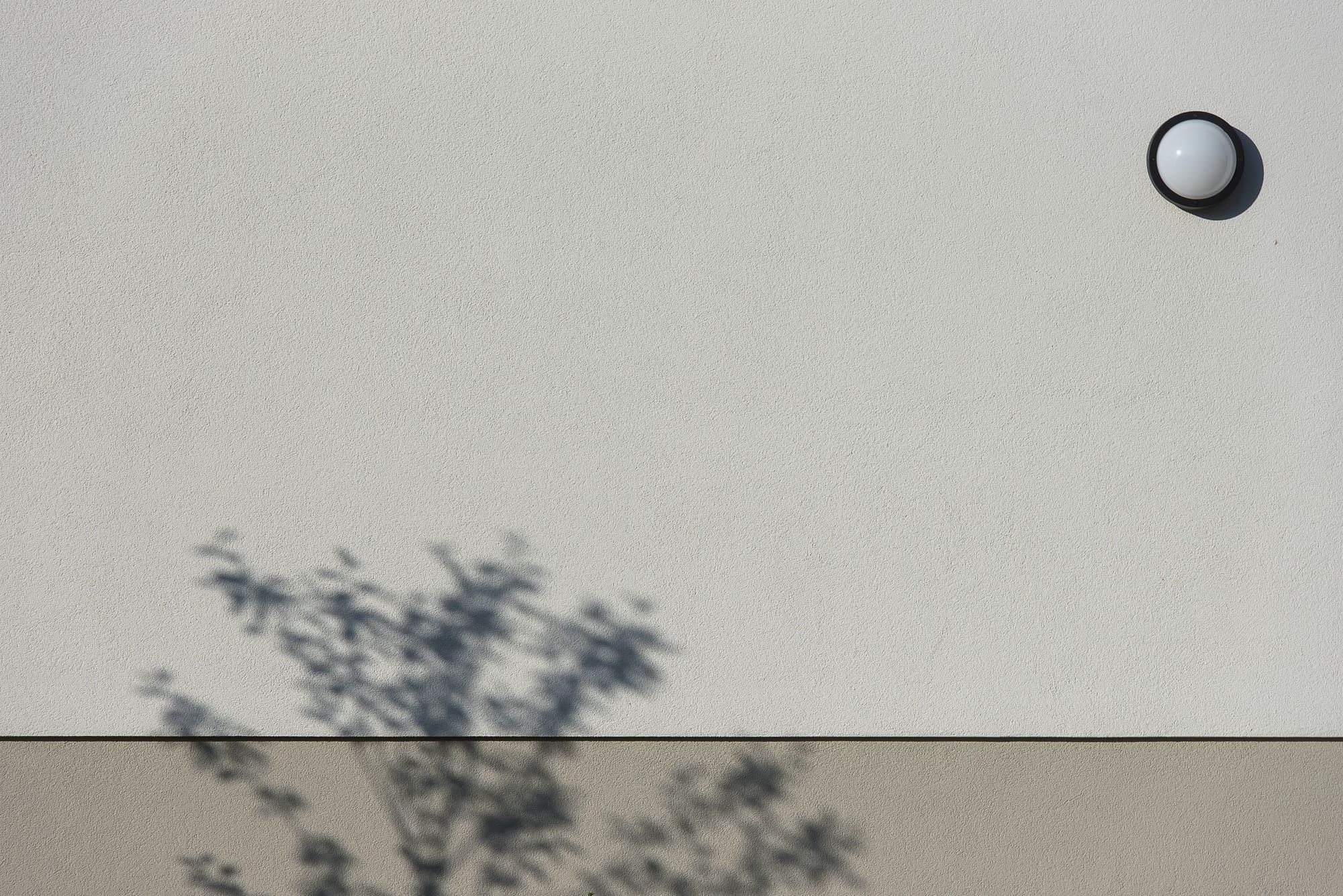
EIFS & Synthetic Stucco Repair
If the wall is foam under a thin acrylic skin, it is EIFS, and it is repaired with different materials.
-
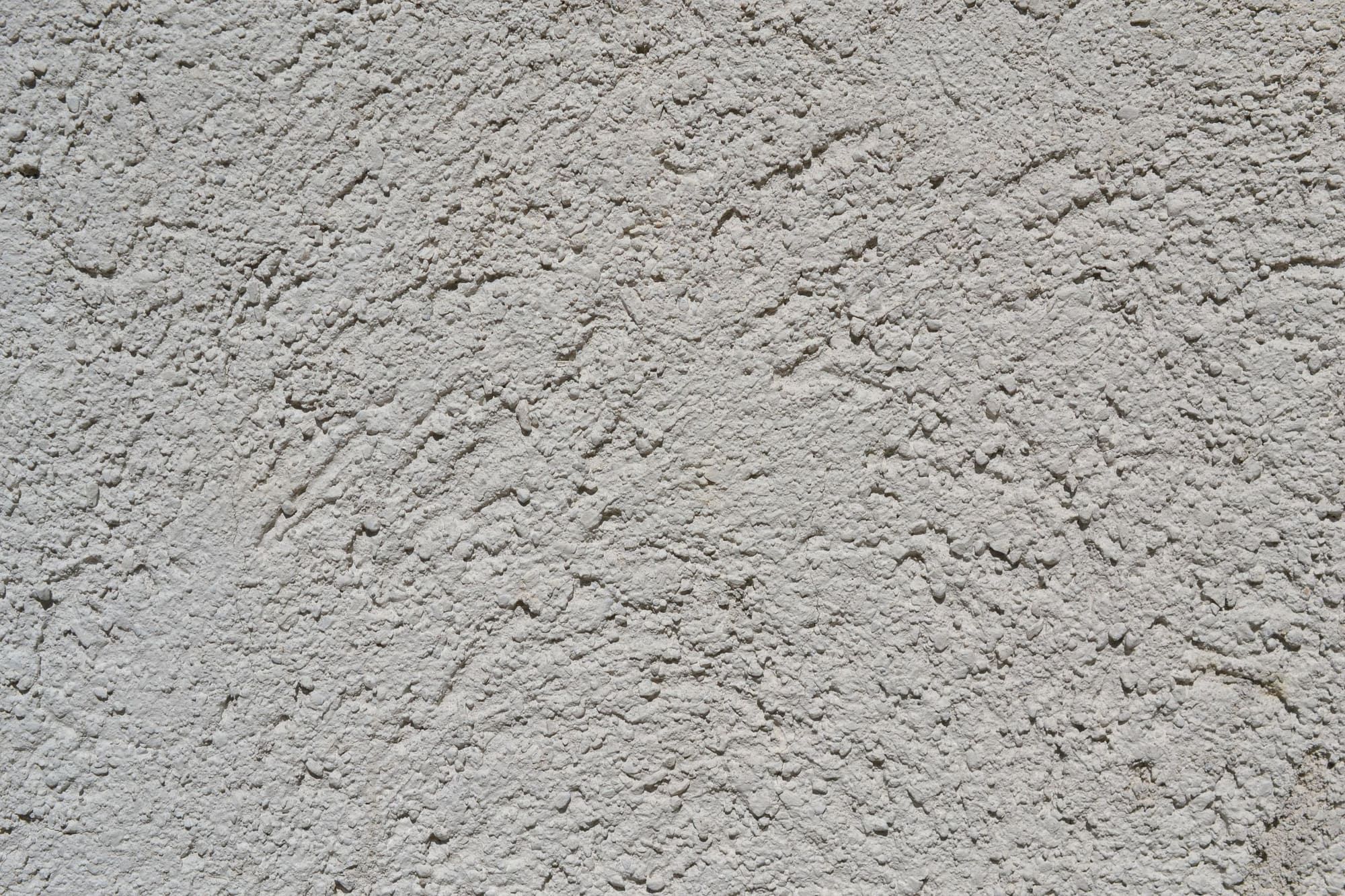
Stucco Siding Installation
When more than half a wall has let go, new stucco over a wall rebuilt to drain is the honest fix.
-
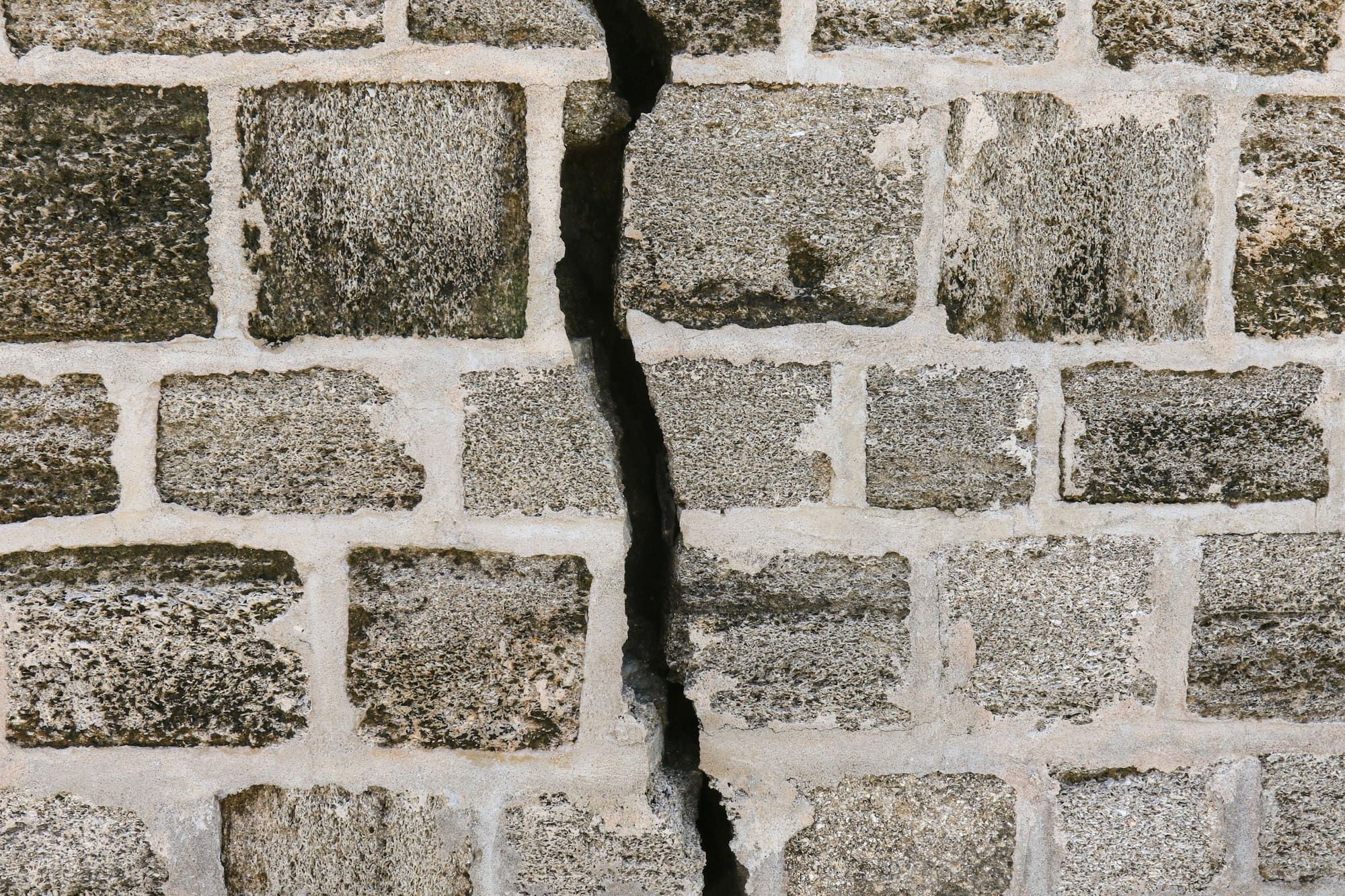
Masonry Foundation Repair
Parging on a block or stone foundation is the same material as stucco and fails for the same reasons.
Knocked on the Stucco and Heard a Hollow Spot? Send a Photo.
Mark the spot with a strip of tape, take a picture of the wall, and text it. The contact page has the form if you would rather write. The masonry half of the business is on the Eau Claire masonry contractor home page.