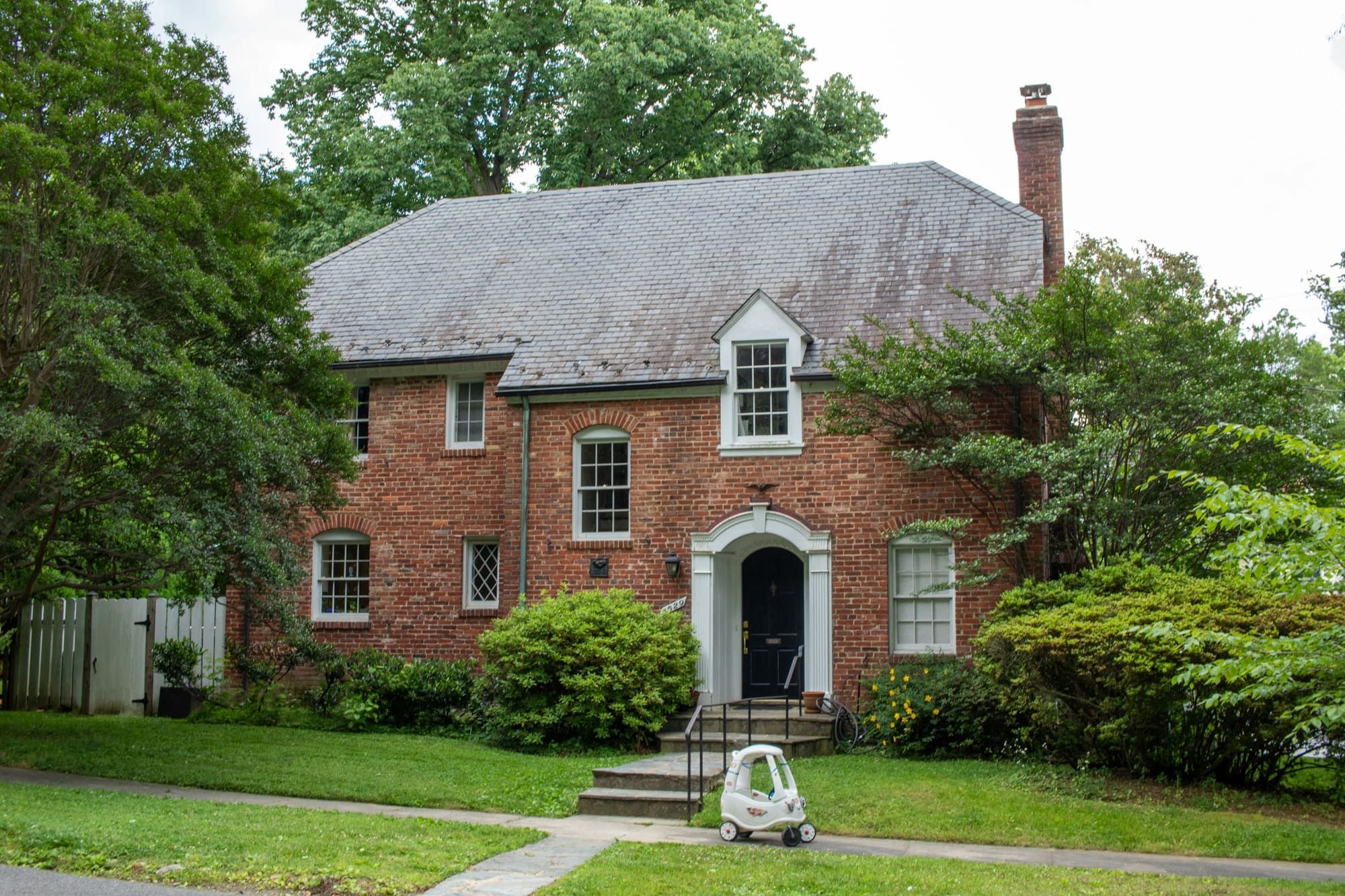
Masonry Contractor in Eau Claire, WI
Chimney repair and rebuilds, tuckpointing, brick repair, stone veneer, masonry fireplaces and foundation repair. Free written estimates and a straight answer about what actually needs fixing.
Serving Eau Claire, Altoona, Chippewa Falls, Lake Hallie, Menomonie, Fall Creek and the surrounding Chippewa Valley
- Free written estimates Scope and price on paper before any work
- Chimneys, brick, stone & block Masonry and stucco, nothing else
- Based in Eau Claire Working across the Chippewa Valley
- Straight answers Including when the fix is a small one
Elite Masonry & Stucco Eau Claire is a masonry contractor based in Eau Claire, Wisconsin. We repair and rebuild chimneys, repoint brick and stone, replace damaged brick, install stone veneer, fix masonry fireplaces and repair block, brick and fieldstone foundations. Stucco is the other half of the trade: we repair stucco and EIFS and install new stucco.
That is the whole list. We don't pour driveways or sweep chimneys, and when a job belongs to a roofer, a sweep or a structural engineer we say so before you spend anything with us.
Eau Claire is hard on masonry. The 1991 to 2020 climate normals from Chippewa Valley Regional Airport show 55.4 inches of snow in a typical year. The housing varies as much as the weather: Census estimates put the median Eau Claire home at 1980, yet close to one in five was built before 1940. A Third Ward chimney laid in soft lime mortar and a stone veneer entry on a newer house don't fail the same way, and they don't get the same repair.
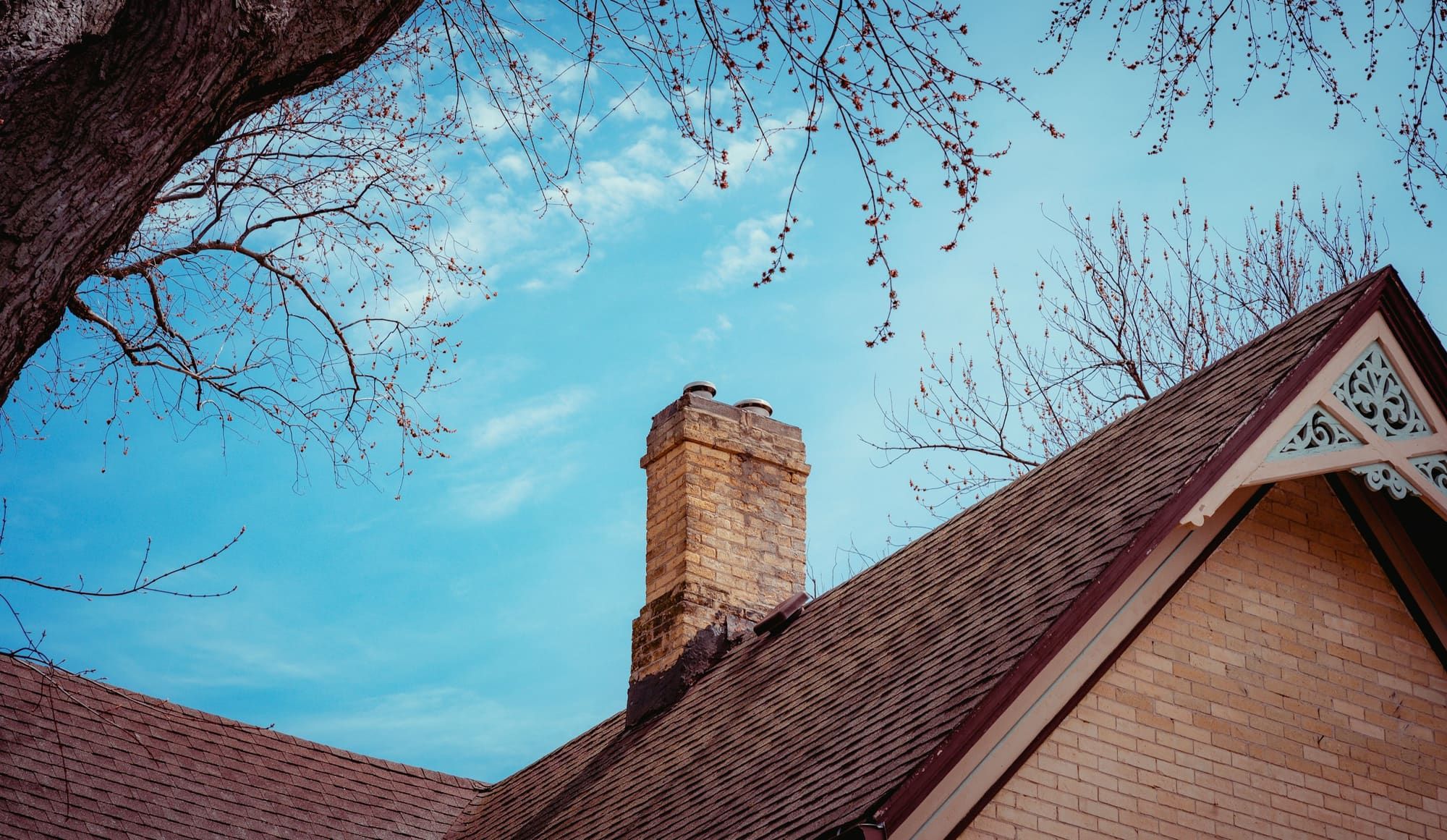
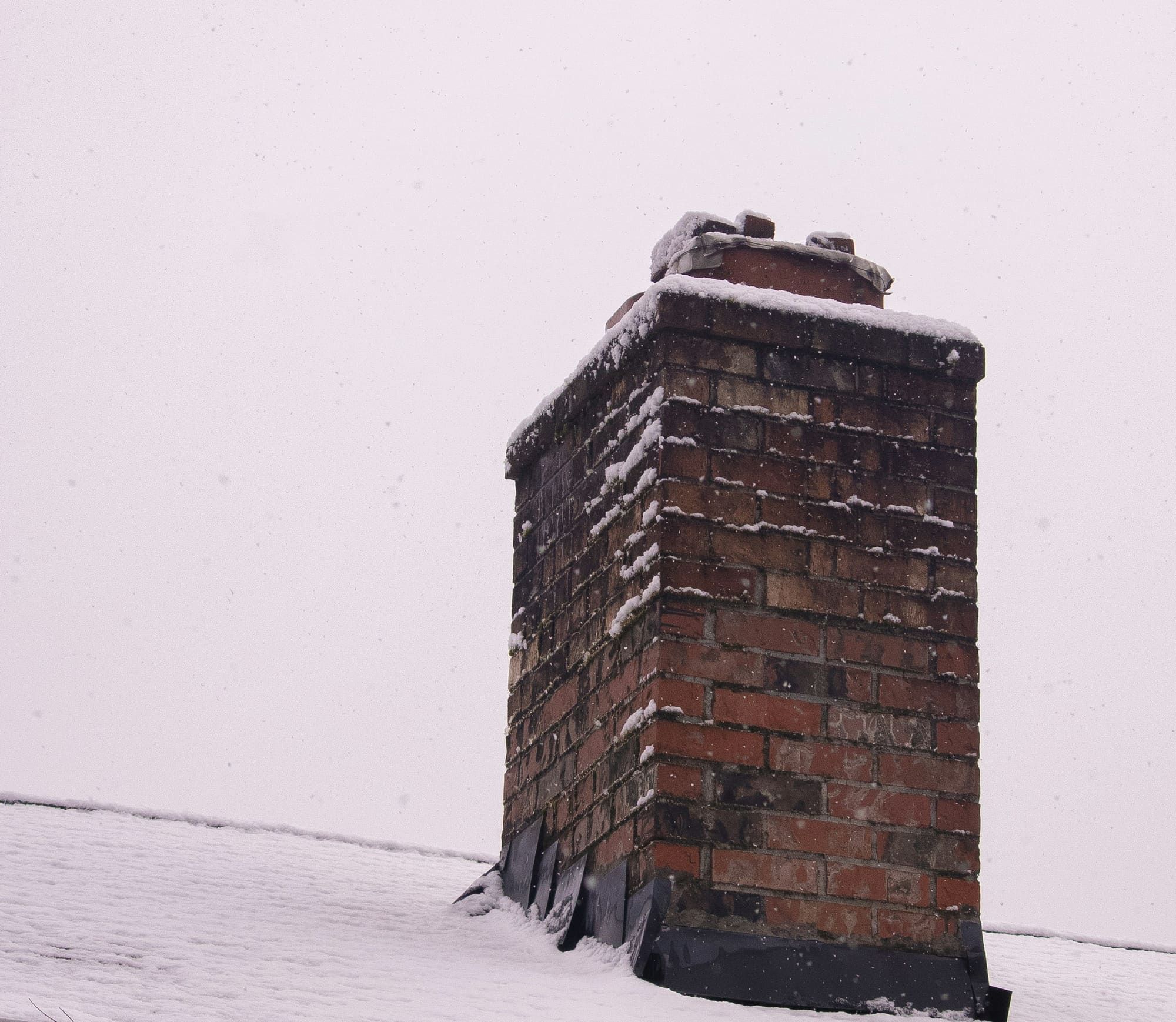
Chimney Repair in Eau Claire: Crowns, Caps, Flashing and Leaks
A leaking chimney almost always comes down to one of four places. We check them top to bottom.
- The crown. The sloped concrete top. When it cracks, water runs straight into the brick below.
- The cap. The metal cover over the flue. Without one, rain and animals go down the chimney.
- The flashing. The metal where chimney meets roof. A bead of caulk is not flashing.
- The brick and joints. Spalled faces and washed-out mortar soak up the water the first three were meant to shed.
Finding which one is leaking matters more than anything done afterward. If only the crown is cracked, a crown repair is all you need, not a rebuild. What each fix involves and costs is on our chimney crown, cap and flashing repair page.
Chimney Rebuild and Restoration: When Patching Stops Making Sense
Repair has a limit. Once brick above the roofline is loose in your hand, the stack leans, or the joints have been smeared over two or three times already, another patch buys a winter at best. The honest fix is to take the chimney down to sound masonry and relay it, usually from the roofline up, with new flashing, crown and cap. On an older house that means matching the original brick and mortar, not just replacing them.
If the chimney no longer vents anything, taking it down below the roofline can cost less than rebuilding it. Both options are laid out on the chimney rebuild and restoration page.
| Repair it | Rebuild it | |
|---|---|---|
| Brick | Solid, a few spalled faces | Loose or crumbling in whole courses |
| Mortar | Recessed but sound behind the face | Turned to sand deep into the joint |
| Shape | Plumb and straight | Leaning or bulging |
| History | First repair in decades | Patched repeatedly, still leaking |
A rule of thumb, not a diagnosis. The answer comes from looking at the chimney up close.
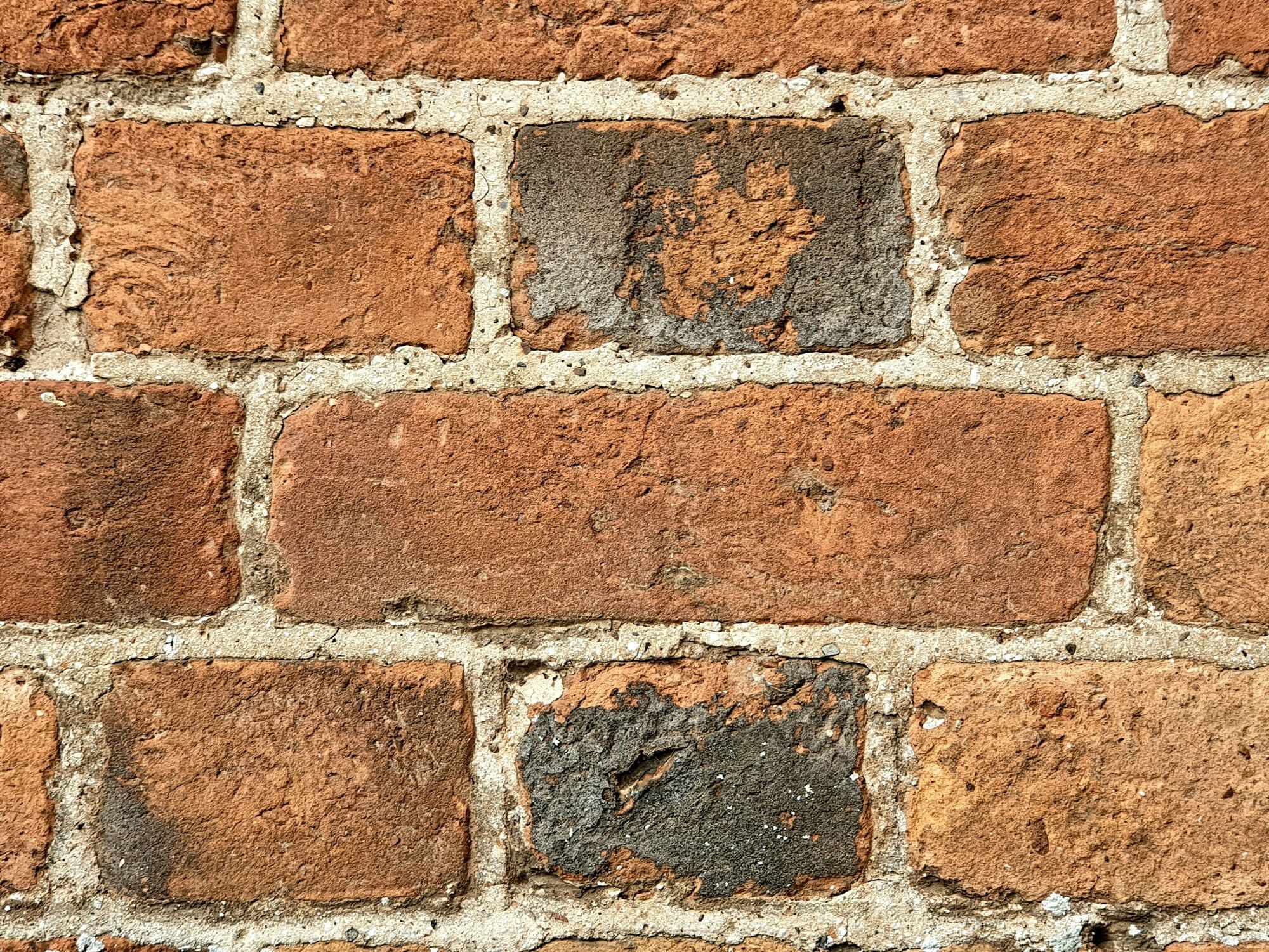
Tuckpointing Brick and Stone in Eau Claire
Mortar is meant to wear out before the brick does. When joints have weathered back a quarter inch, or you can rake them out with a house key, water is getting behind the face of the wall. Tuckpointing, a word most masons here use interchangeably with repointing, means grinding the old mortar out to a proper depth and packing new mortar in tight.
Mortar choice is where jobs go wrong. Hard modern mortar in an old soft-brick wall pushes moisture out through the brick instead of the joint, and the faces pay for it. Timing matters too: late-fall pointing here is a gamble, so we may push your job to spring. Mortar types, season limits and cost are on the tuckpointing and repointing page.
Brick Repair: Cracked, Spalling and Loose Brick
Tuckpointing fixes joints. When the brick itself has failed, damaged units come out and matching ones go in. Three problems account for most of the calls.
- Spalling. The fired face pops off and leaves a soft, sandy core. Patching hides it for a season. The lasting repair is new brick that matches.
- Stair-step cracks. A crack that follows the joints diagonally means something moved: a footing, a lintel, a corner. We find the cause before anything is repointed.
- Loose and bulging brick. Steps, stoops, sills and wall tops take water from above. Once the bond lets go, the section comes apart and is relaid.
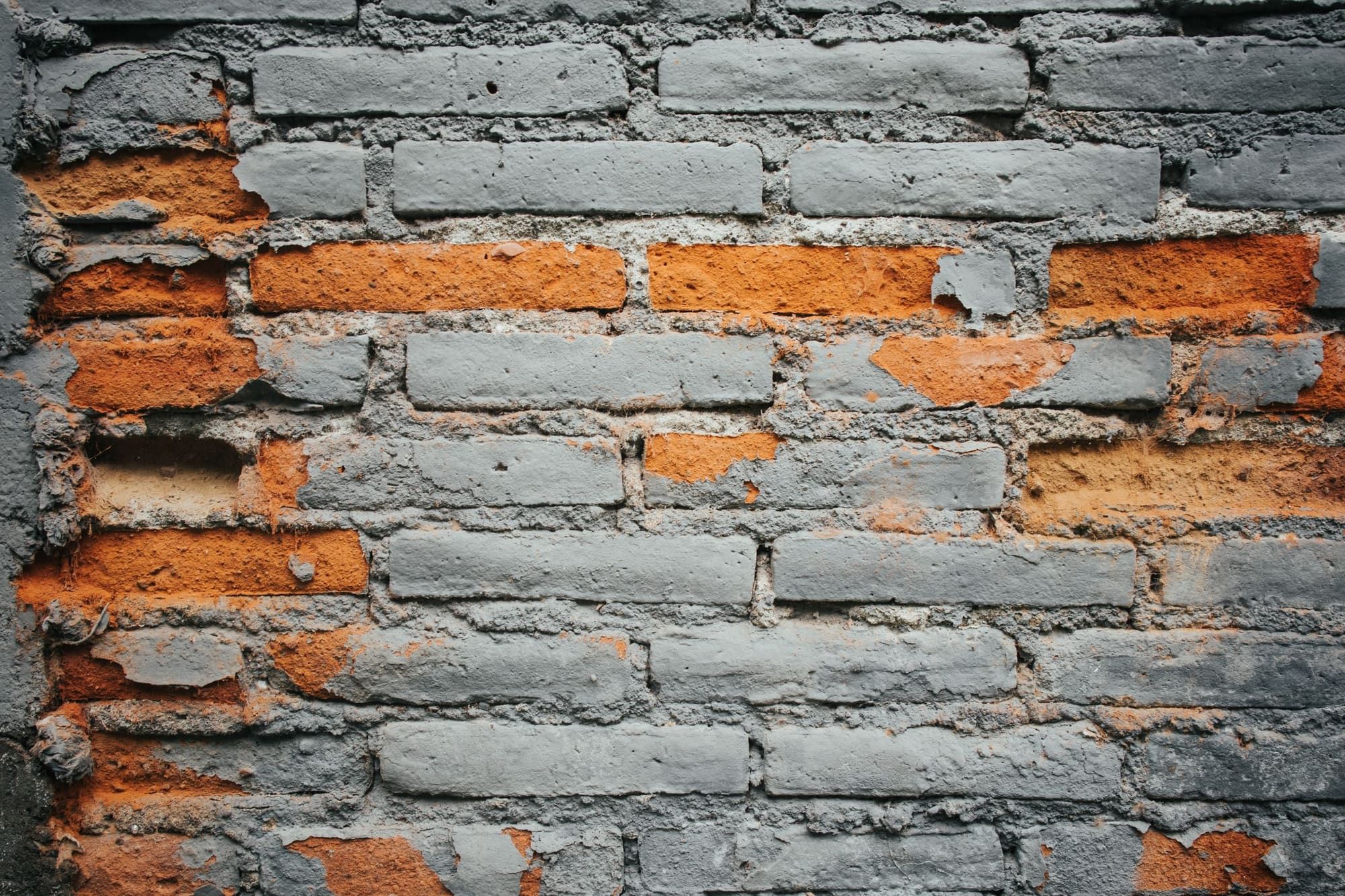
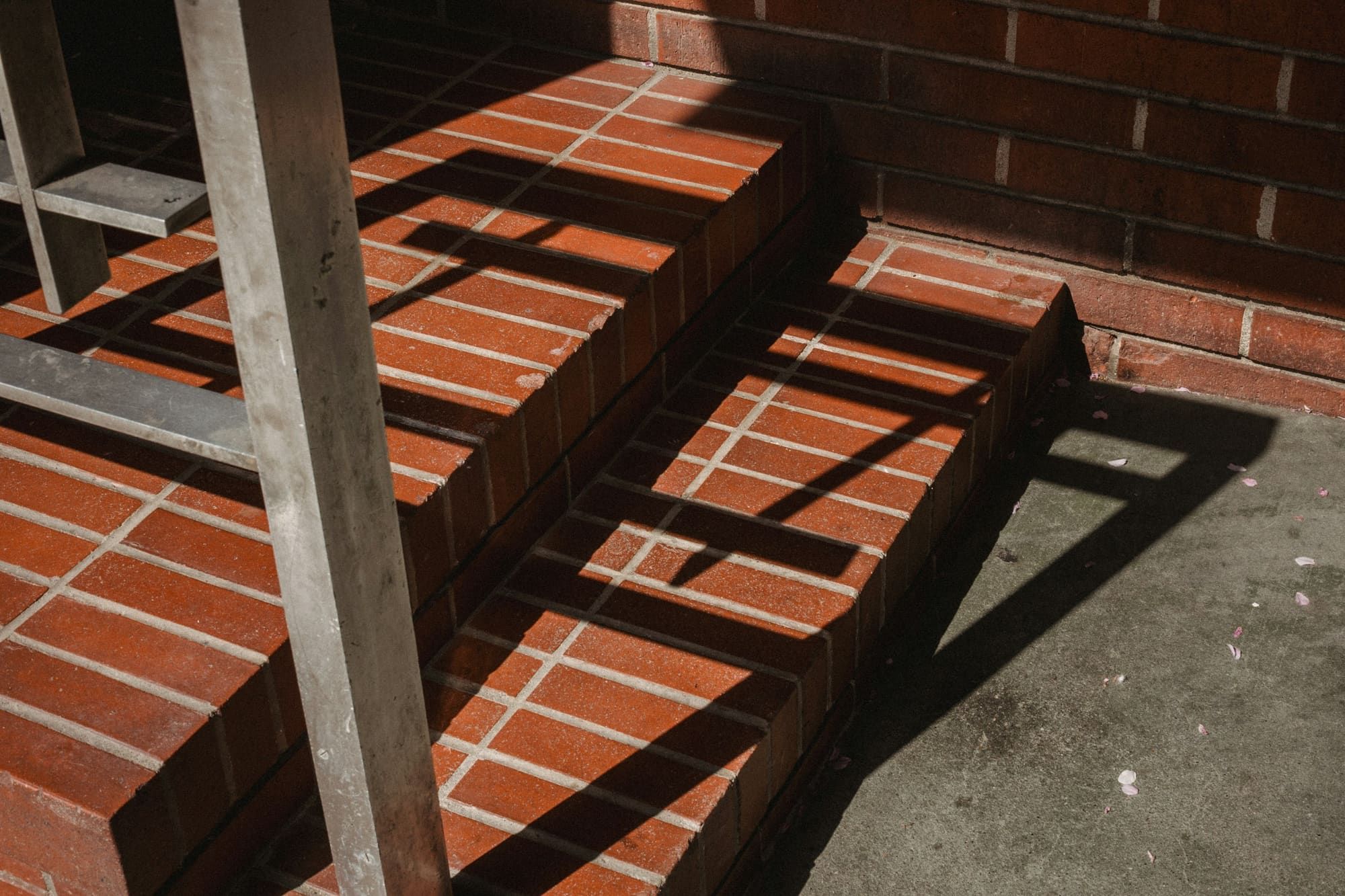
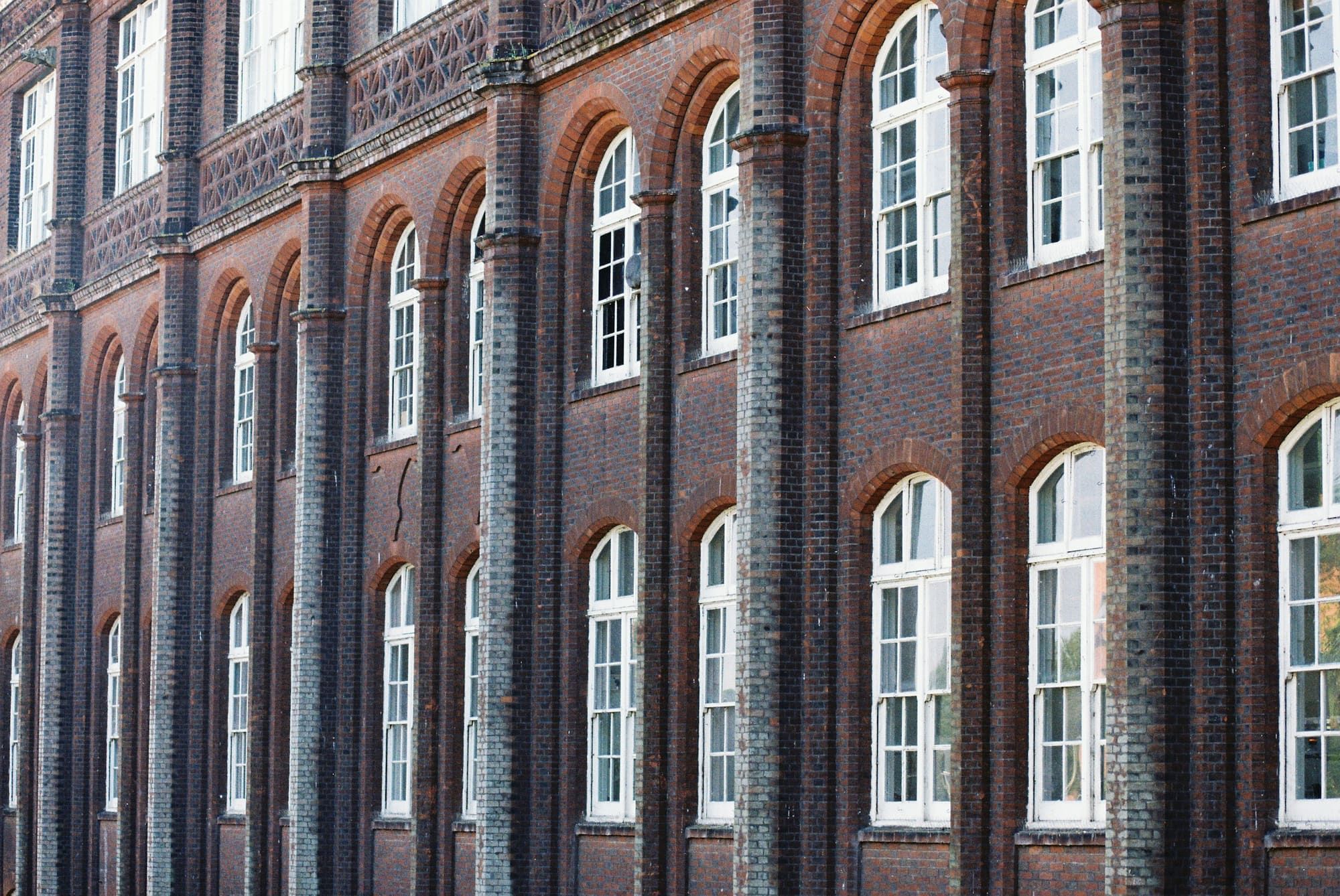
If a crack keeps widening after it has been repaired, the wall is still moving and you need a structural engineer's opinion before a mason's. Matching old brick, steps and stoops, cleaning and costs are covered on our brick repair and restoration page.
Stone Veneer Installation: Cultured vs Natural Stone
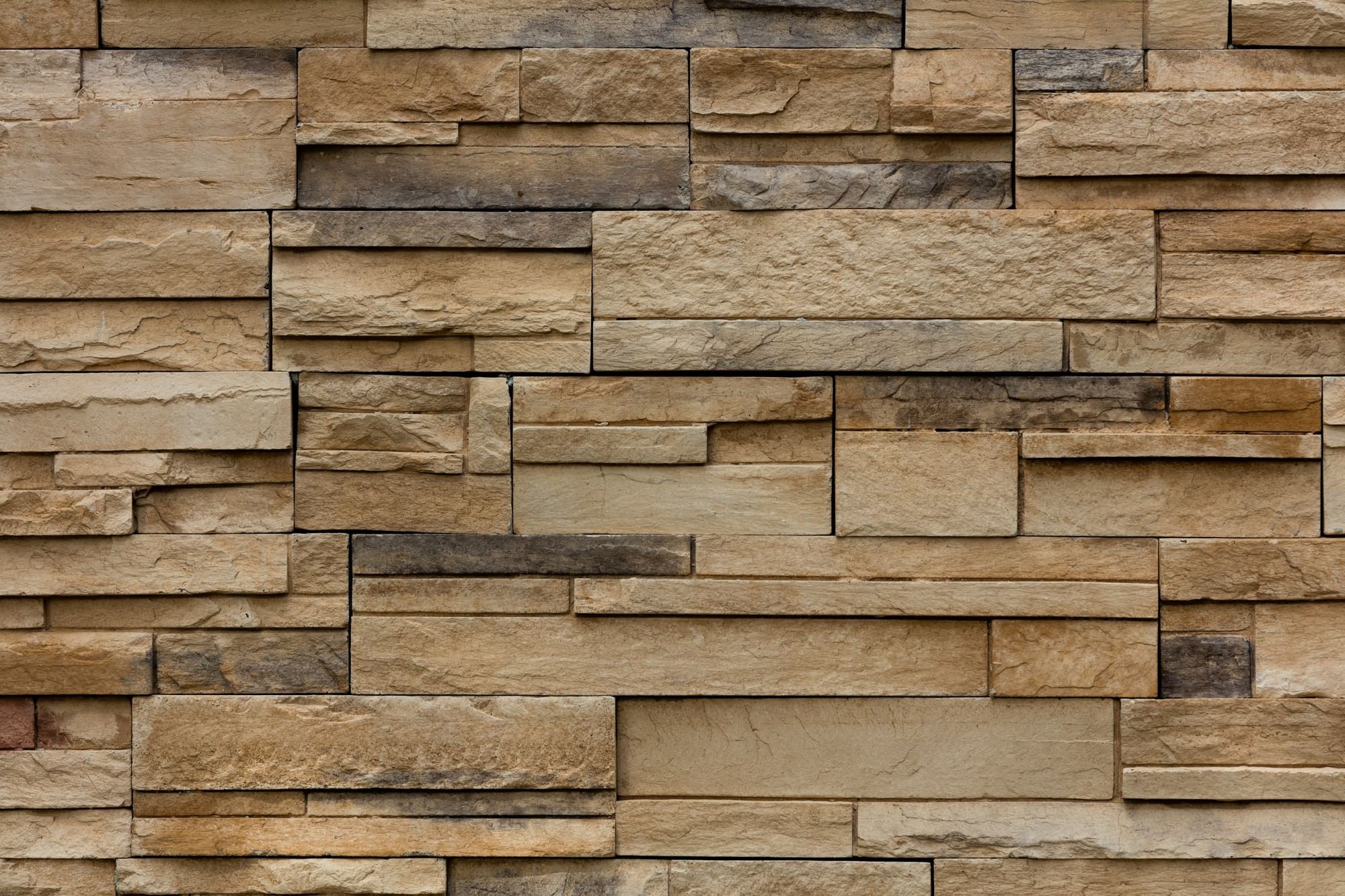
Stone veneer goes on house fronts, wainscots, entry columns and fireplace walls. Manufactured stone, often called cultured stone, is lightweight concrete cast in molds and colored to look like stone. Natural thin veneer is real stone sawn thin. It costs more, and its color goes all the way through, so a chip still looks like stone.
Either one lasts only as long as the wall behind it stays dry. Veneer rarely fails because of the stone. It fails because there was no drainage path behind it, or it was run down into the soil where it wicks water and freezes. Some of those jobs can be repaired and some have to come off. We'll tell you which.
Choosing a stone, what goes behind it and typical prices are on the stone veneer installation page.
Masonry Fireplace Repair: Fireboxes, Hearths and Refacing
With a normal January low of 5.8°F, fireplaces here get used hard. A masonry firebox is lined with firebrick set in refractory mortar, which takes heat that ordinary mortar can't. When those joints open or the firebrick cracks, heat reaches the masonry behind it. We repack and replace firebrick, rebuild fireboxes, smooth rough smoke chambers, relay loose hearths, and reface dated surrounds in brick or stone.
Details, clearances and costs are on the masonry fireplace repair page.
Foundation Repair for Block and Stone Foundations
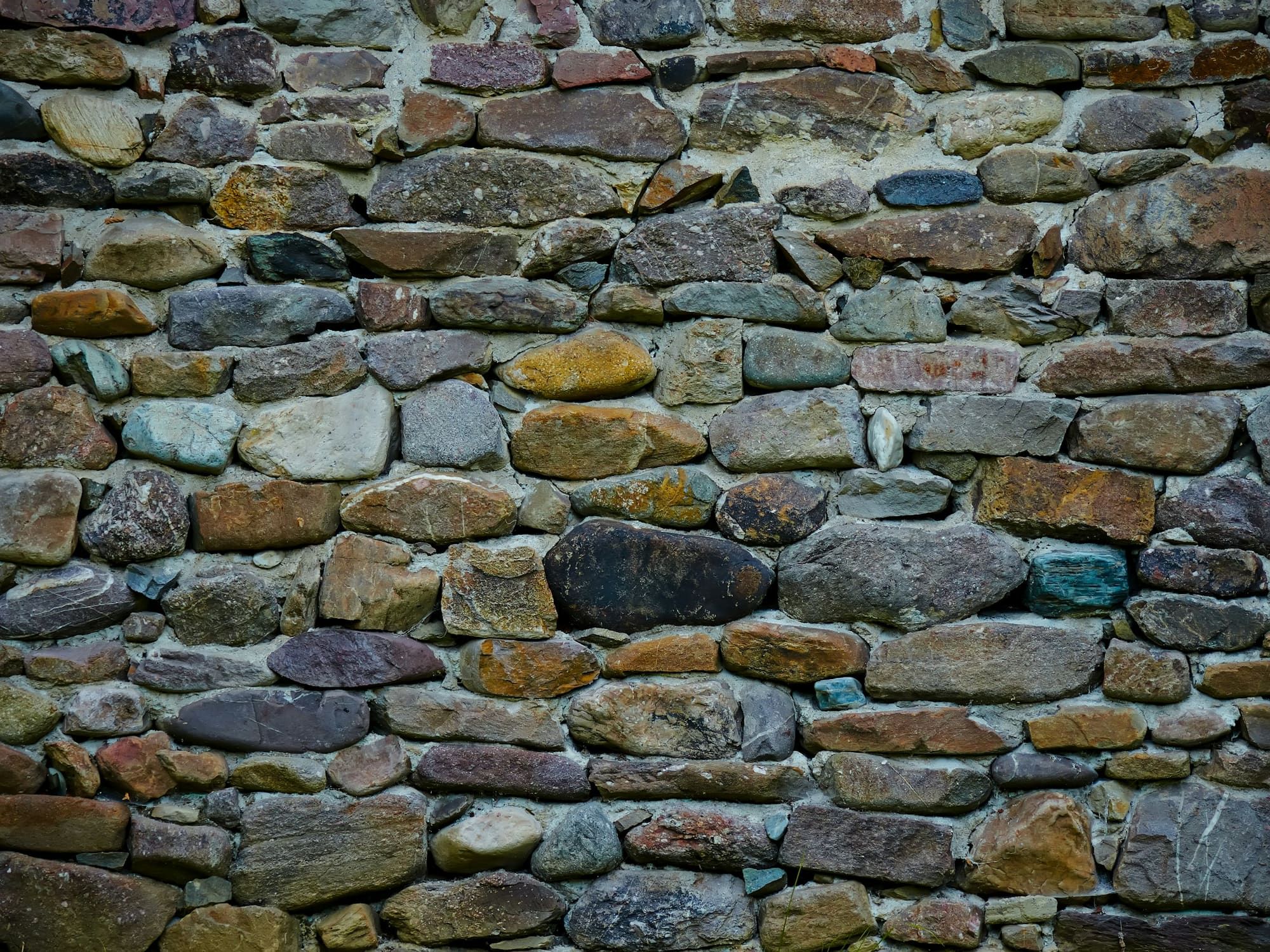
Wisconsin's dwelling code puts footings at least 48 inches below grade, because frost here goes deep, and the wall above spends every winter with frozen, wet soil pushing on it. In block foundations that shows up as stair-step cracks at the corners, a horizontal crack along a joint partway up the wall, or block shifted out of line. Under older homes it is usually a fieldstone or brick foundation whose lime mortar has washed out. We repoint stone and brick foundations, replace broken block, rebuild failed sections and parge walls.
A bowing block wall that is still moving needs an engineer before it needs a mason. What a mason can and can't fix is spelled out on the masonry foundation repair page.
How Much Does Masonry Repair Cost in Eau Claire?
Anyone who quotes your chimney without climbing up to it is guessing. Published numbers can still tell you whether a bid is believable. These are national figures from two cost guides, HomeAdvisor and Fixr: typical ranges, not quotes.
| Job | Typical range | What moves it |
|---|---|---|
| Chimney crown repair | $150–$1,000 | Sealing cracks: $150–$350 (HomeAdvisor). A new crown: $1,000–$3,000 (Fixr). |
| Chimney flashing | $200–$800 | Fixr: $200–$300 to repair, $300–$800 to replace. |
| Tuckpointing | $5–$25 per sq ft | HomeAdvisor. Height and joint depth move it. |
| Brick replacement on a chimney | $100–$1,000 | Fixr. Widespread spalling: $1,000–$2,500. |
| Chimney rebuild | $1,500–$4,000 | HomeAdvisor, stack above the roofline. Full replacement: $3,100–$15,400. |
| Stone veneer, installed | $13–$22 per sq ft | HomeAdvisor, materials and labor. |
| Firebox repair | $160–$2,500 | HomeAdvisor. Repacked joints at one end, a relaid firebox at the other. |
Sources: HomeAdvisor cost guides (chimney repair, chimney rebuild, tuckpointing, stone veneer, fireplace repair; updated June 2026) and Fixr cost guides (chimney repair, chimney crown repair; updated January 2025). National ranges, checked October 2026.
Access moves a masonry price more than anything: the same crown repair costs more on a steep two-story roof than on a ranch. A bid far under these ranges usually means a skipped step. The service pages break costs down further, including chimney repair costs, tuckpointing cost per square foot and stone veneer pricing.
Why Chippewa Valley Freeze-Thaw Is Hard on Masonry
Brick, stone and mortar all absorb water. Water expands by about nine percent when it freezes, and inside a saturated brick that pressure goes out through the face. Thirty winters of it pops faces, opens joints and cracks crowns.
From December through February the normal high in Eau Claire stays below freezing, so masonry freezes and stays frozen. The damage is done on either side. In both March and November the normal high sits above freezing while the normal low sits below it: days thaw, nights refreeze, and snowmelt soaks in between.
The cure is not a miracle sealer. It is keeping water out: a sound crown and cap, real flashing, tight joints, and downspouts that send water away from the wall.
What to Expect When You Hire a Mason in Eau Claire
-
We look at it
On the roof, in the basement or at the wall. Photos by text first often save a trip.
-
Written estimate
What comes out, what goes back, which mortar and brick, the price, and what can wait.
-
The work
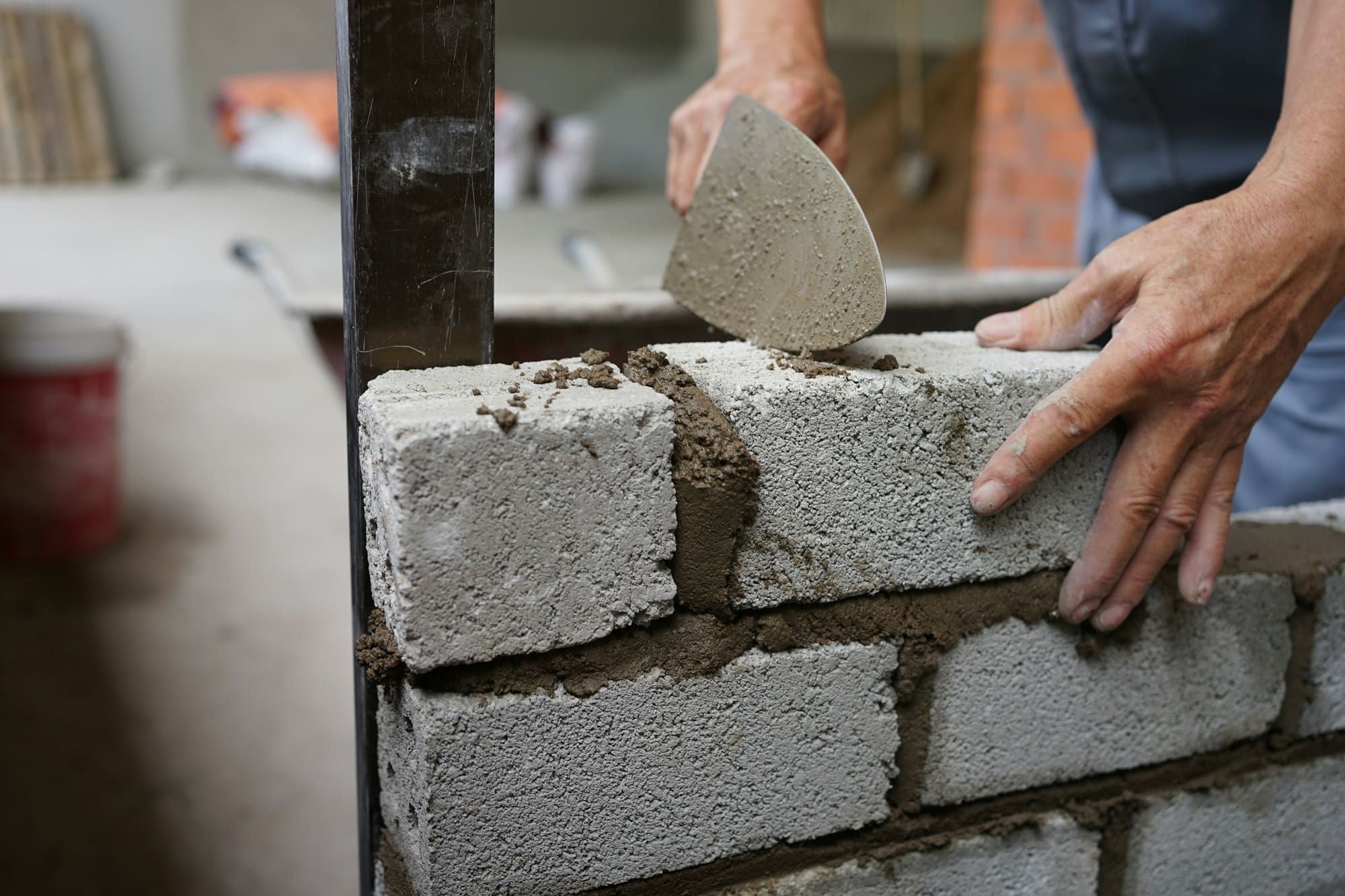
Roof, siding and plantings get protected, staging goes up, and the mortar gets the cure time it needs.
-
Clean-up and walk-through
Debris hauled off, the site washed down, and a walk-through so you see what was done.
Historic districts and the Landmarks Commission
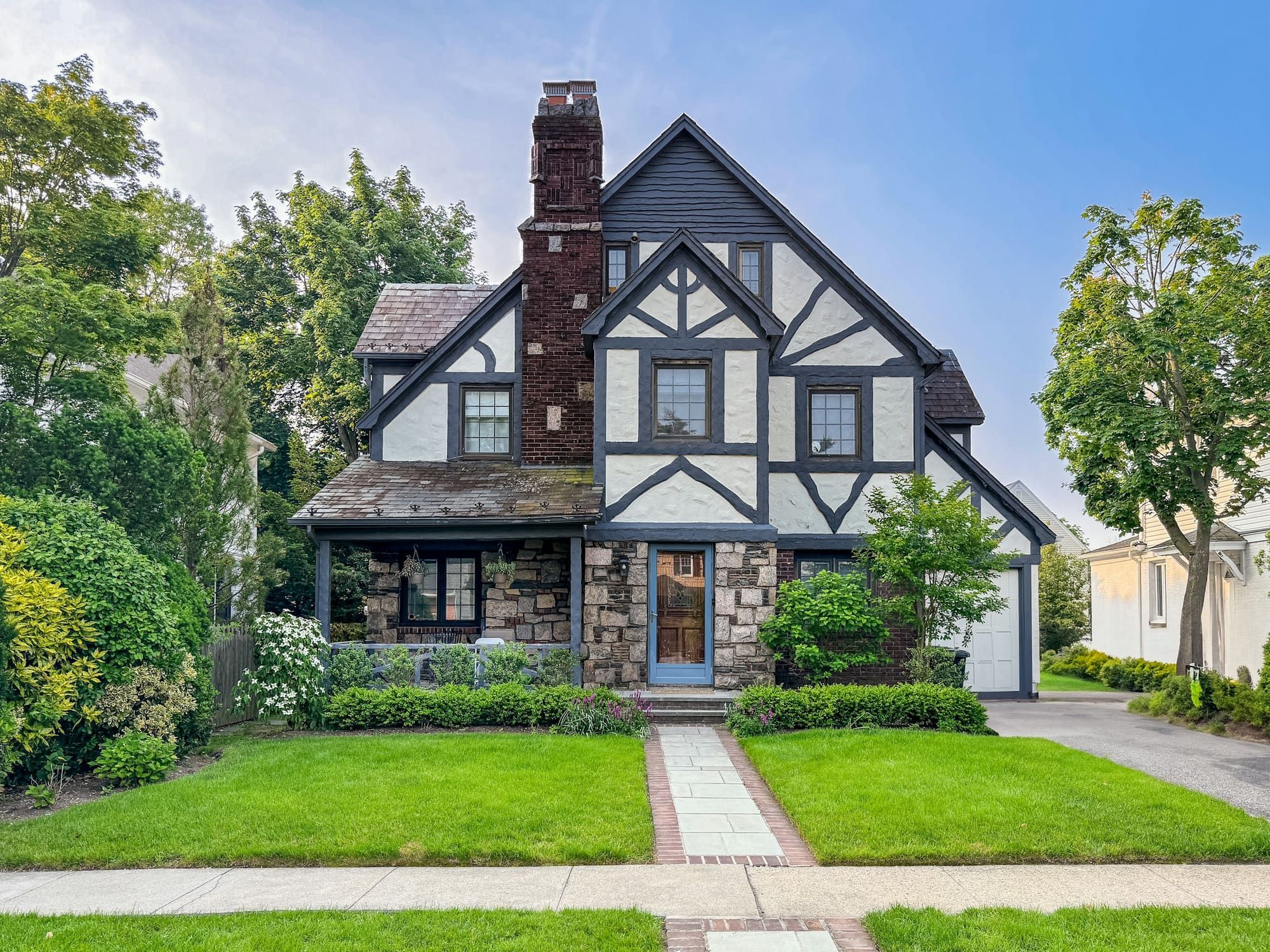
Randall Park and the Third Ward have been on the National Register of Historic Places since 1983, and the city's Landmarks Commission looks after locally designated landmarks and districts. If your house is one, ask the commission before changing the exterior.
Building permits are a separate question, and the answer depends on the job and the address. It is the first question in the list further down this page.
Stucco Repair in Eau Claire
Stucco is cement plaster, and it belongs to the same trade as everything above: sand, cement, lime and a trowel. It fails for the same reason too. Water gets behind it, freezes, and pushes the coat off the wall.
Most cracks in stucco are hairline and only cosmetic. The ones to act on are cracks wide enough to take in rain, patches that sound hollow when you knock on them, and stains under windows. Our stucco repair page shows how to tell them apart and what a lasting patch involves.
Synthetic stucco is a different material with different repairs, covered under EIFS repair. New work, on a house, an addition or a chimney, is on the stucco siding installation page.
Masonry Questions Eau Claire Homeowners Ask
Do I need a permit for chimney or masonry work in Eau Claire?
Sometimes. The City of Eau Claire's Inspections Division says a building permit is generally needed when a building is altered or repaired, but its published guidance does not name chimney or masonry repairs. We check with Inspections for your address before a rebuild, veneer job or structural repair. Outside the city, the answer comes from your town or village.
Can you do masonry work in winter?
Some of it. Demolition, interior fireplace repairs and basement foundation work can go ahead in the cold. Exterior mortar is different: the Brick Industry Association treats anything below 40°F as cold-weather masonry that needs heat and protection while it cures. For a small exterior job that usually means waiting for spring.
Do you pour concrete or build retaining walls?
No. We do not pour concrete driveways, patios or sidewalks, build retaining walls or install pavers, and we do not install foundation piers, wall anchors or waterproofing systems. We do rebuild brick steps and stoops and relay brick patios.
Who should I call first: a mason, a roofer, a chimney sweep or an engineer?
A mason for anything made of brick, block, stone or mortar that is cracked, loose, spalling or leaking. A roofer when the shingles around a chimney are the problem. A chimney sweep certified by the Chimney Safety Institute of America for cleaning, flue inspections and liners, none of which we do. A structural engineer when a wall is leaning, bowing or has a crack that keeps growing. Not sure? Text us a photo and we will tell you whose job it is.
What areas do you serve?
We are based in Eau Claire and work in Altoona, Chippewa Falls, Lake Hallie, Menomonie, Fall Creek and the rest of the Chippewa Valley in Eau Claire, Chippewa and Dunn counties. Farther out, call anyway. If we cannot take the job we will say so and try to point you to someone closer.
Get a Free Masonry Estimate
Tell us what you're seeing: a leak at the chimney, mortar washing out of a wall, loose brick on the steps, a block wall with a crack. We'll set a time to look at it and send a written estimate that spells out what we'd do and what it costs.
- We look at the masonry in person, not from the truck window
- You get the scope and the price in writing
- If it can wait a season or needs a different trade, we say so
Get a Free Estimate
Tell us what's going on with the masonry or stucco. Prefer to talk? Call or text (715) 597-4359.
Thanks, we have your request.
We'll be in touch about your estimate. If it's easier, text photos of the job to (715) 597-4359.
Not Sure What Your Masonry Needs? Send a Photo.
Text a picture of the chimney, wall, steps or foundation and tell us what you're seeing. You can also use the form above or the contact page.