Chippewa County
Masonry Contractor in Chippewa Falls, WI
Tuckpointing, chimney repair and brick restoration for Chippewa Falls' older homes, with mortar chosen to suit the brick. Free written estimates.
Based in Eau Claire. A short run up US 53.
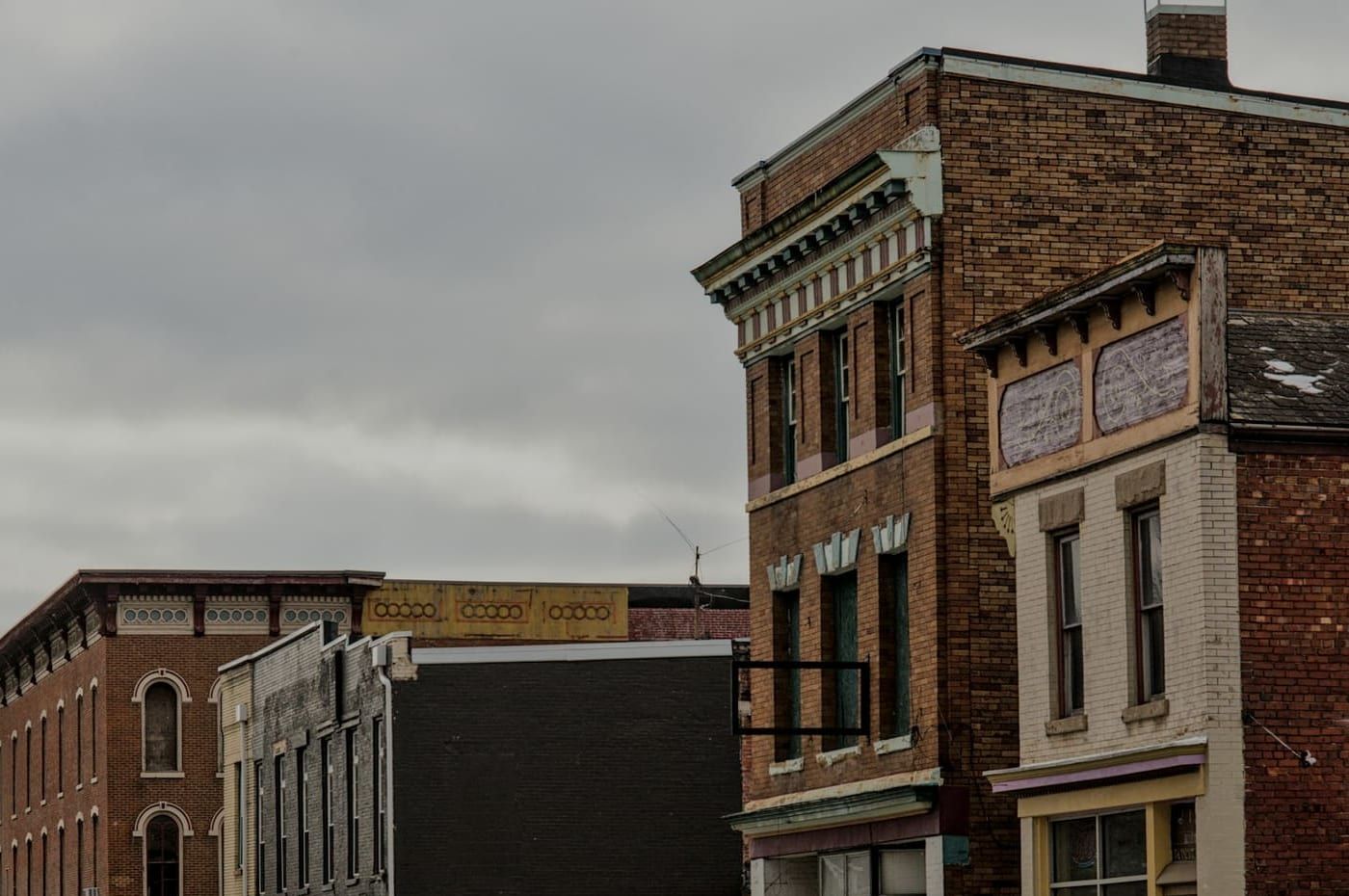
Chippewa Falls was a sawmill town first. The mill at the falls, once described as the largest sawmill under one roof in the world, ran until 1911, and the city that grew up around it built in brick.
Much of that brick is on the National Register of Historic Places now. The Bridge Street Commercial Historic District, listed in 1994, has 33 contributing buildings put up between 1873 and 1943. The West Hill Residential Historic District, listed in 2021, counts 163 contributing properties on the bluff west of downtown, from lumber executives' mansions of the 1870s to ranch houses of the 1950s. The Cook-Rutledge House there, begun in 1873, is red brick with stone quoins at the corners.
The age runs well beyond two districts. Census Bureau estimates for 2020 to 2024 put about 31 percent of the city's housing units at 1939 or earlier, with a median year built of 1969. In Eau Claire the pre-1940 share is closer to one in five. So when Eau Claire Masonry & Stucco, a masonry contractor based in Eau Claire, works in Chippewa Falls, the job usually involves old brick, and old brick has its own rules.
Tuckpointing Older Brick in Chippewa Falls
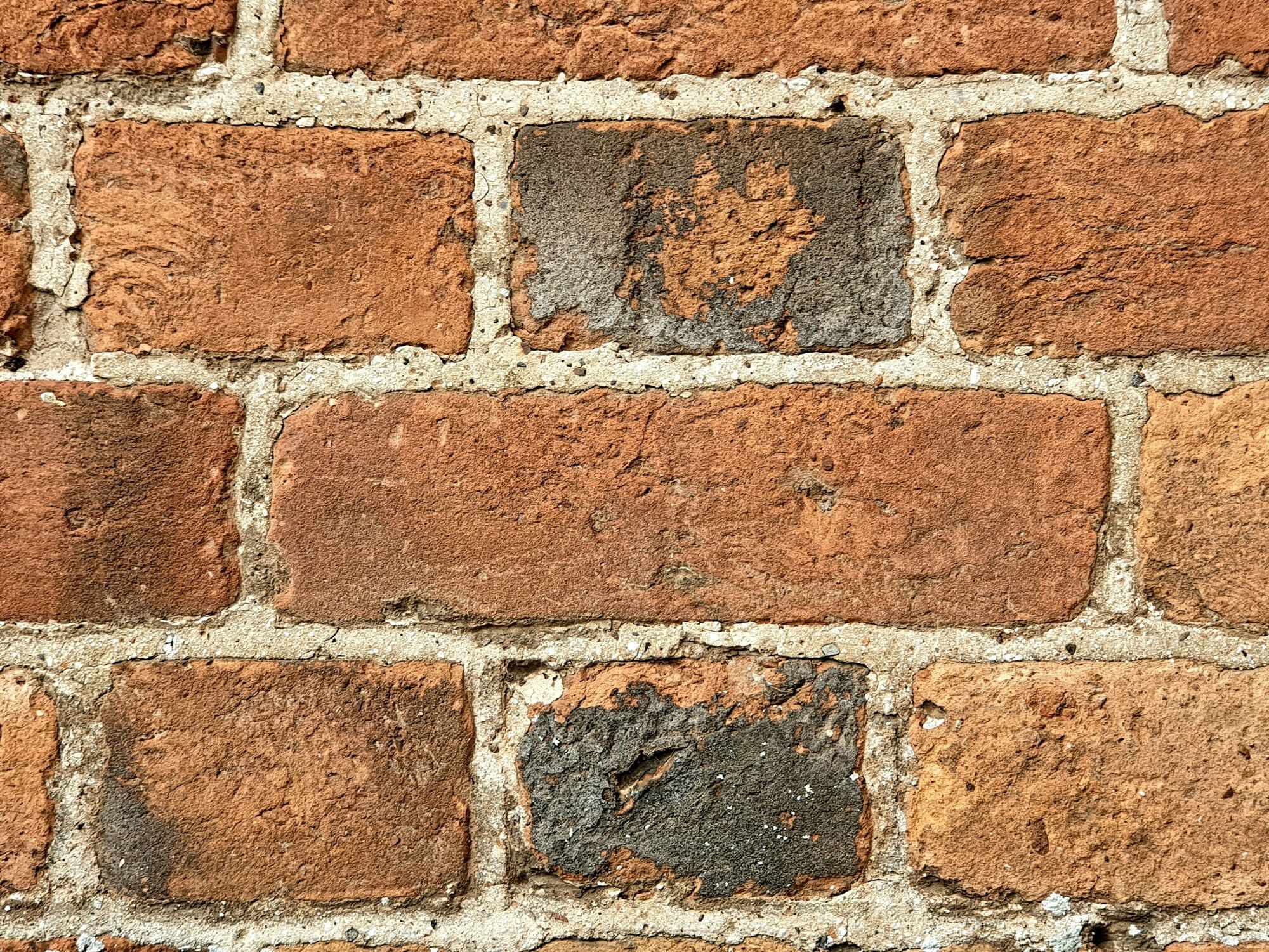
Brick from the 1870s through the early 1900s is softer than modern brick and was typically laid in lime mortar. That mortar was meant to be the weak part of the wall. It gives a little, lets moisture out, and wears away so the brick doesn't. After a century it has done its job and needs renewing.
The repair that does the most damage is repointing with hard gray portland cement mortar. The National Park Service's repointing guidance says new mortar should be softer and more permeable than the masonry and no harder than the original. Get that backwards and moisture leaves through the brick instead of the joint, and the face of the brick comes off with it.
So before anything gets ground out we look at what is there: the old mortar's color, sand and hardness, and whether an earlier repoint is already spalling the brick around it. Mortar types and the full process are on our tuckpointing and repointing page.
Chimney Repair on Century-Old Chippewa Falls Homes
A chimney is the first masonry on an old house to fail, because nothing shelters it. Three things turn up again and again on stacks this age.
- A flue built for another era. Many old chimneys were laid up for a coal or wood furnace that is long gone. What vents into the flue now is a question for a certified chimney sweep. The masonry around it is ours.
- A crown made of mortar. A thin wash of mortar troweled over the top instead of a cast concrete crown with an overhang. It cracks, and water runs straight into the top courses.
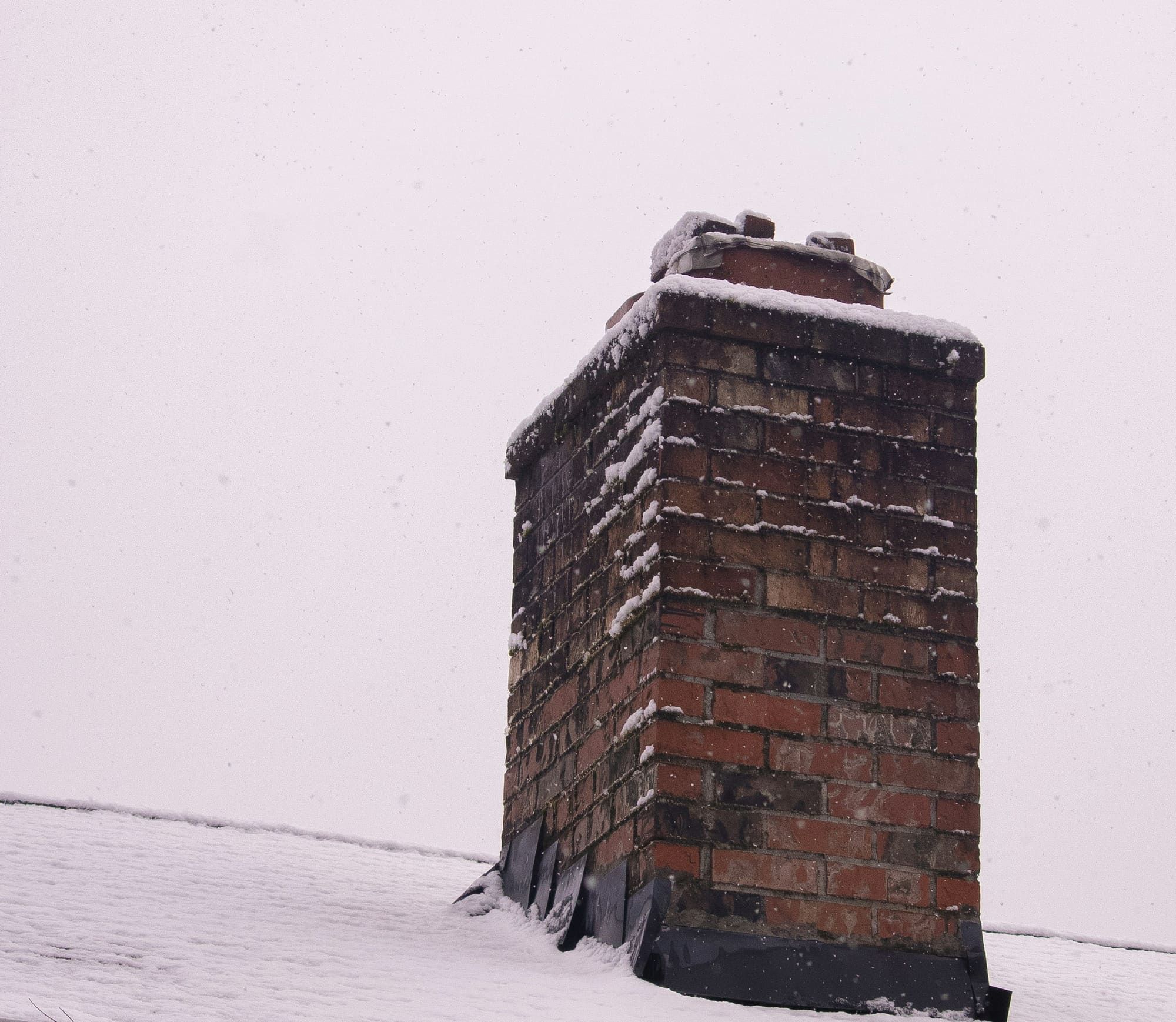
- Soft brick above the roofline. The exposed stack takes weather on four sides. If brick comes loose in your hand, the top comes down to sound masonry and is relaid: a partial chimney rebuild, not a patch.
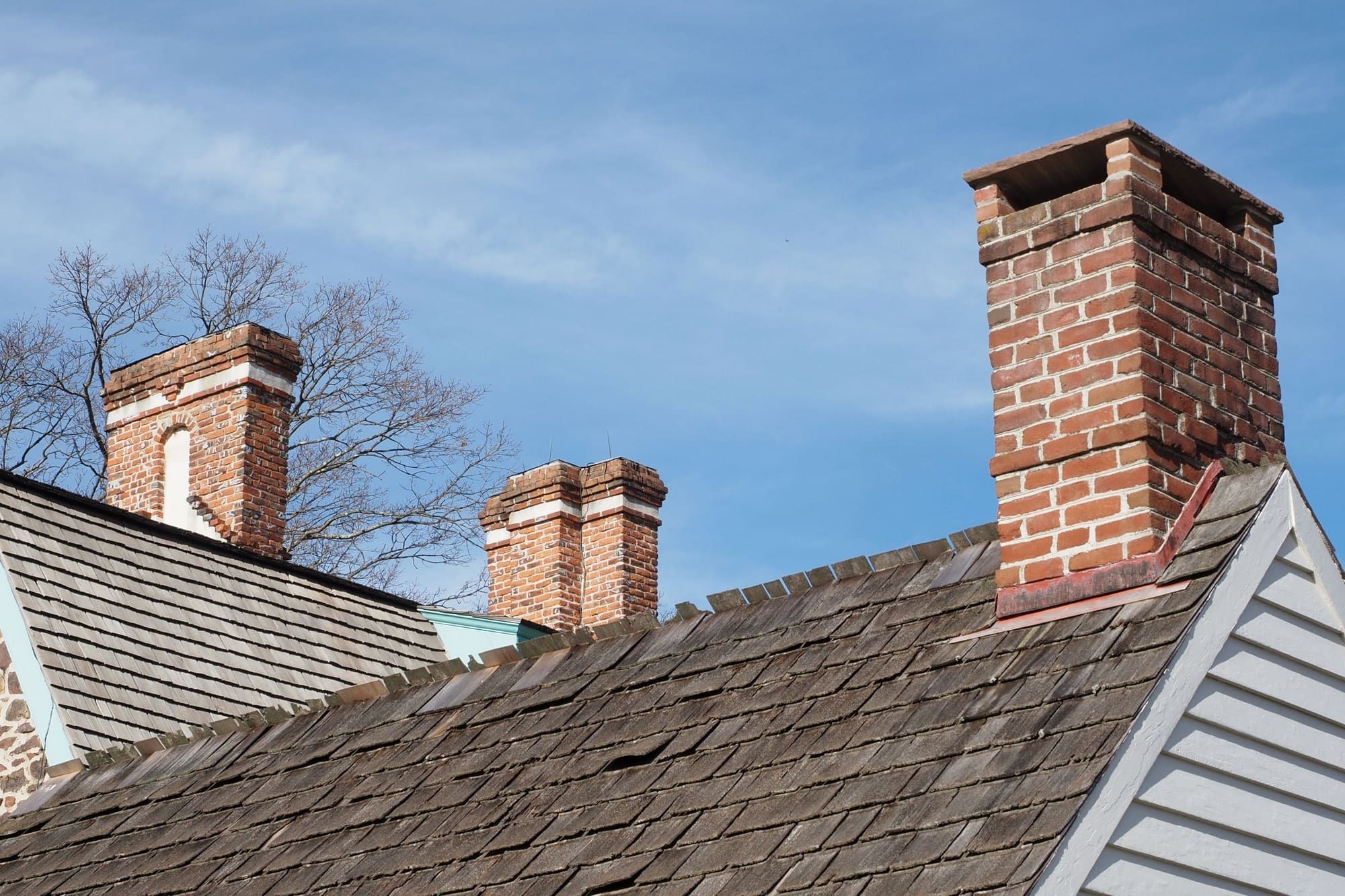
Not every old chimney needs rebuilding. If the brick is sound and only the crown or the flashing has failed, that is the whole job, and our chimney crown, cap and flashing repair page explains each one.
When the top does have to be relaid, an old chimney should come back looking like itself: the same corbelled courses, brick matched for size and color, mortar tinted to the rest of the house.
Stone Foundations and Brick Repair on Pre-War Houses
The 1875 LeDuc House, part of the West Hill district, has red brick walls on a stone foundation, and that pairing sits under a lot of houses from those decades. A mortared stone foundation is maintained the same way a brick wall is: when the joints wash out, they get raked and repacked. What a mason can and can't fix below ground is laid out on the masonry foundation repair page.
Above ground, the brick that fails first is wherever water sits: sills, stoops, the courses just above a porch roof, and any wall that was sealed or painted. Spalled units are cut out and replaced. See brick repair and restoration for how matching works on old walls.
Some houses from the 1910s and 1920s were finished in stucco instead of brick, and old stucco follows the same rule as old mortar: the patch has to suit the coat it is joining, not just fill the hole. Our stucco repair page covers cracks, bulges and patches that match.
Old Chippewa Falls Brick Gets Repointed in Mild Weather
Soft, lime-rich mortars cure slowly and need mild, damp weather to do it. The Brick Industry Association treats anything below 40°F as cold-weather masonry, so on older brick we schedule exterior repointing from spring into early fall and won't squeeze it into November.
Call in winter anyway. Basement foundation work and estimates don't wait for the thaw, and spring fills first.
Chippewa Falls Masonry Questions: Mortar, Permits and Historic Districts
Do you work in Chippewa Falls, or only in Eau Claire?
Both. We are based in Eau Claire and Chippewa Falls is a short run up US 53. Estimates are free and written. Lake Hallie, between the two cities, is in our area as well.
An earlier repair on my Chippewa Falls house used hard gray mortar. Does it have to come out?
Not always. Where the hard mortar is tight and the brick beside it is still whole, cutting it out can chip more brick than it saves, so we leave it and watch it. Where brick faces are already breaking away next to it, the hard mortar is cut out by hand, a little at a time, and the joint is repointed with a soft, lime-rich mortar close to the original. We mark which is which on the estimate.
Do I need a permit to repair a chimney or repoint brick in Chippewa Falls?
The city's guideline says a building permit is required to erect, construct, structurally alter, enlarge, wreck or demolish a structure, and that minor alterations that do not affect structural strength, fire protection or safety are exempt when they cost $2,000 or less. Repointing a wall likely falls outside that. Taking a chimney down and rebuilding it may not. The Inspection and Zoning office at City Hall decides, and we ask before work starts.
My house is in the West Hill historic district. Does that limit the masonry work I can do?
National Register listing on its own does not. The National Park Service says listing places no restrictions on what a private owner does with a property unless federal money or permits are involved. Local rules can be stricter, so ask the city before changing how the exterior looks. Repairing in matching brick and mortar is the approach preservation guidance favors anyway.
Can a stone foundation be repointed from inside the basement?
Yes, and on many older houses that is where the work starts. Loose mortar is raked out and the joints are packed with a mortar soft enough for the stone. Interior work can go ahead in winter. Repointing will not stop water that poor grading or missing gutters are pushing through the wall, so we look at the outside too.
Free Masonry Estimates in Chippewa Falls
Tell us the rough age of the house and what you're seeing: sandy joints, brick faces popping off, a chimney shedding pieces onto the roof. We'll come up, look at it properly and send a written estimate.
South of the city line the houses are much newer, and so are the problems. That is covered on our page for masonry work in Lake Hallie. West on I-94, Menomonie built with brick from its own yards, and matching it is the subject of our page on brick repair and tuckpointing in Menomonie.
- We check the existing mortar before recommending a new one
- Scope and price in writing, with what can wait listed separately
- If a sweep, roofer or engineer should see it first, we say so
Get a Free Estimate
Tell us what's going on with the masonry or stucco. Prefer to talk? Call or text (715) 597-4359.
Thanks, we have your request.
We'll be in touch about your estimate. If it's easier, text photos of the job to (715) 597-4359.
Have an Old Brick House in Chippewa Falls?
Text a photo of the joints or the chimney. We'll tell you what we see and whether it is worth a visit.